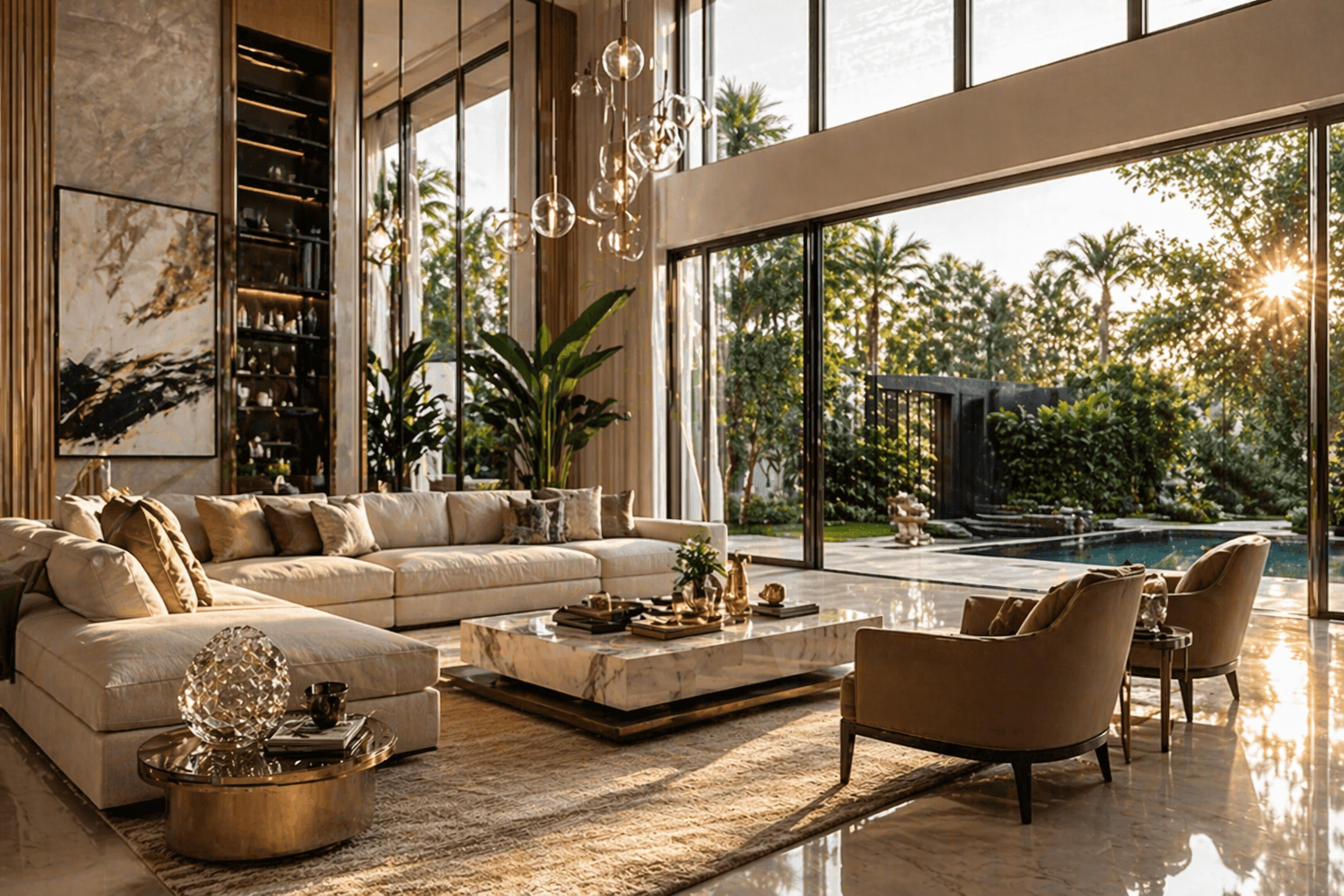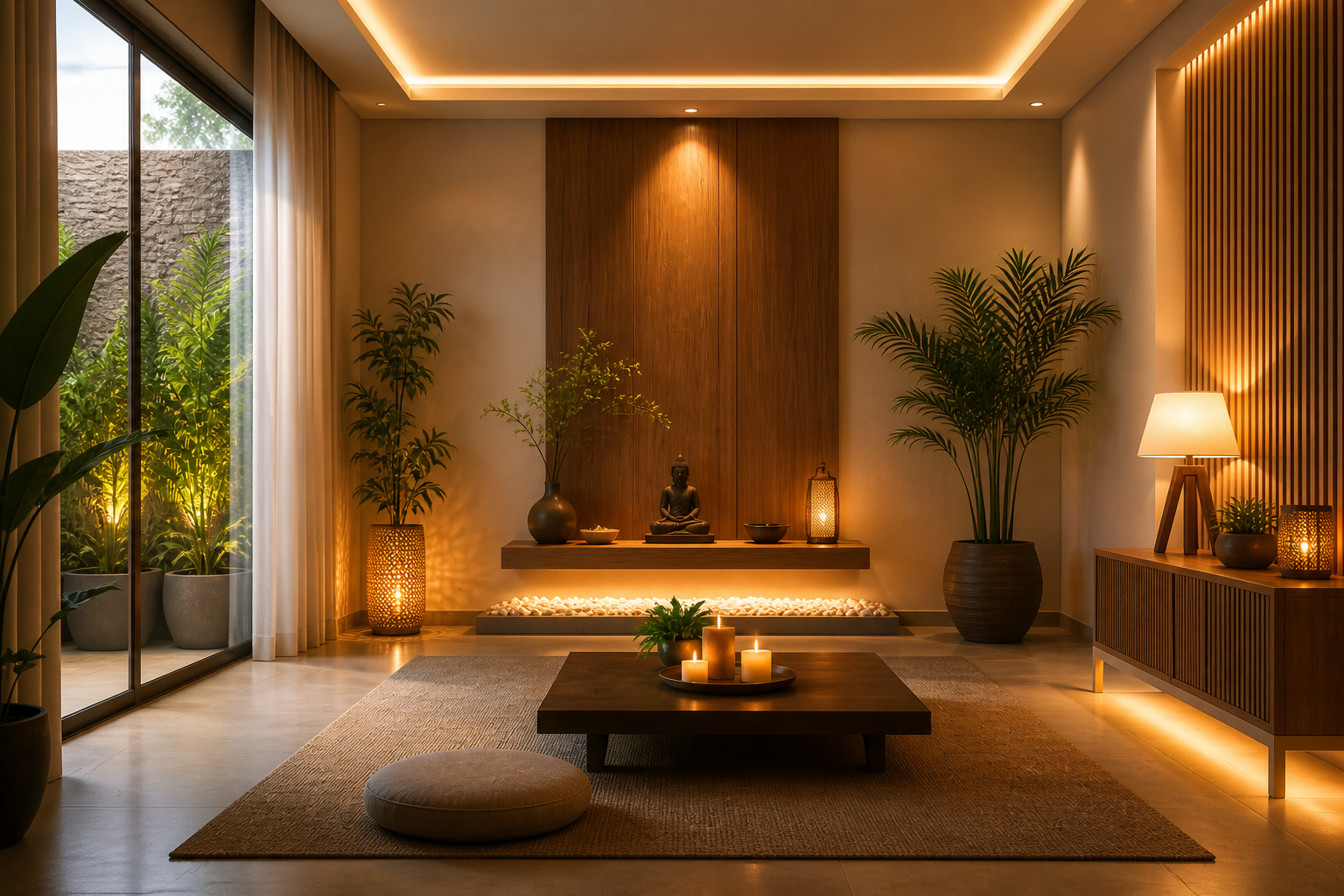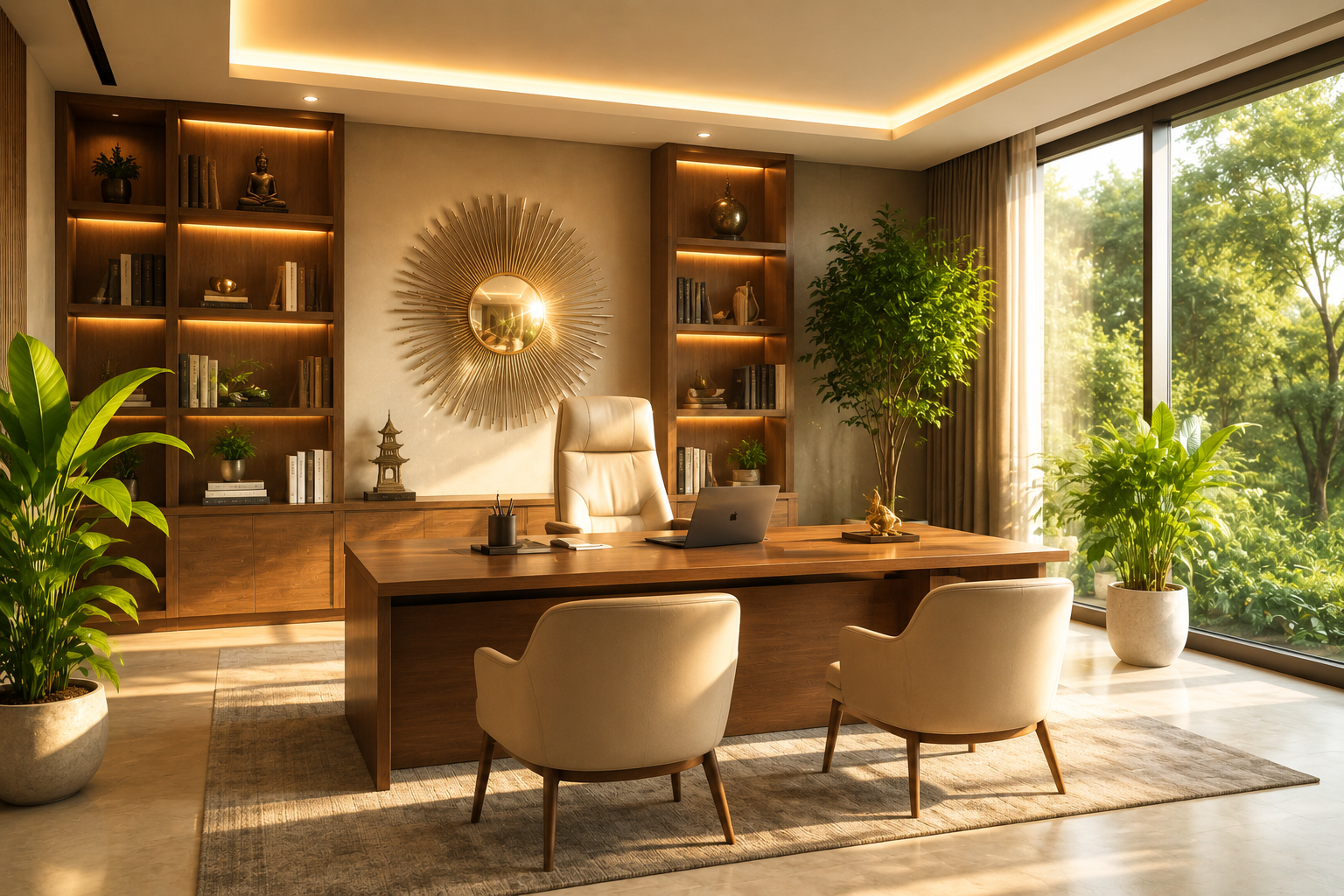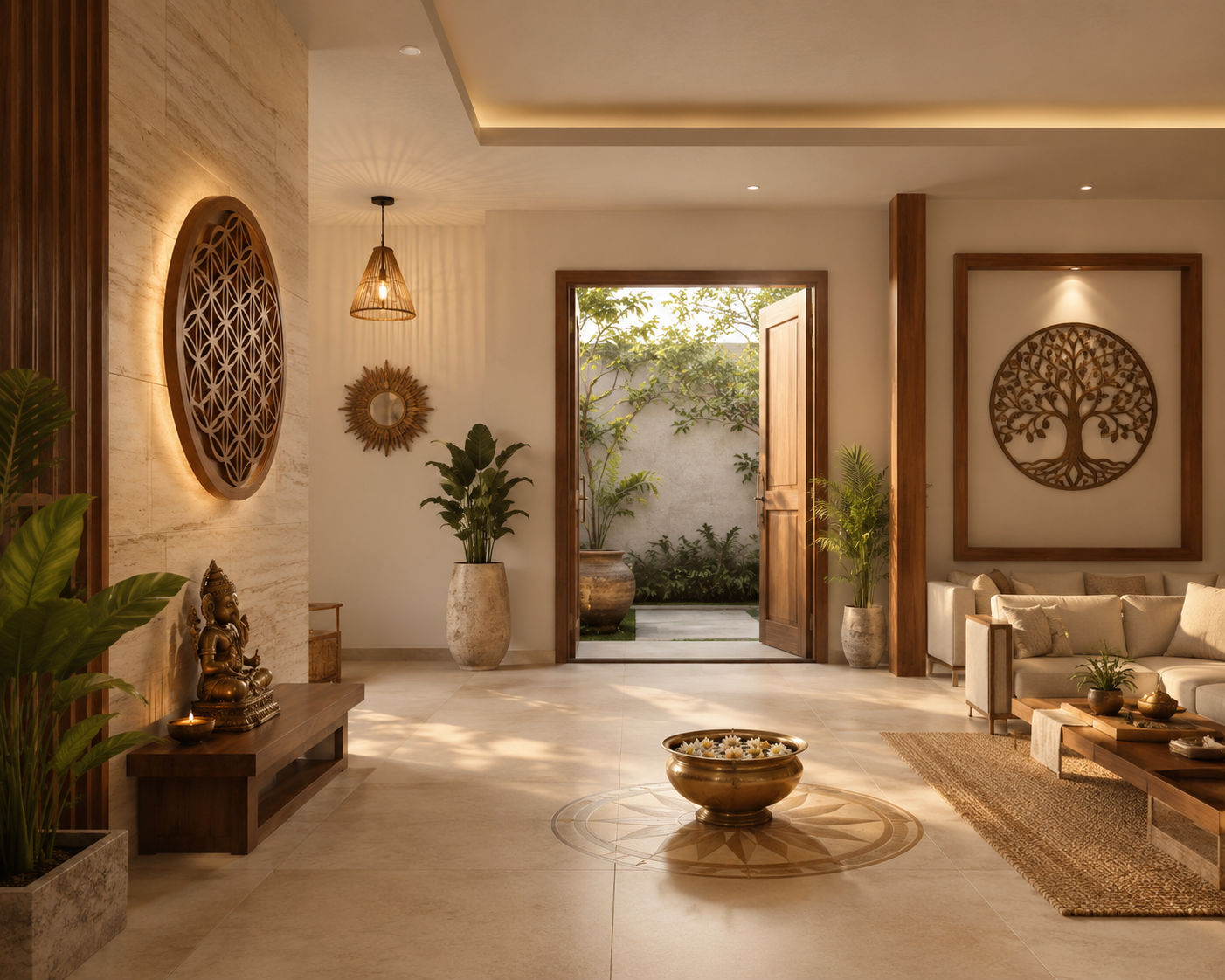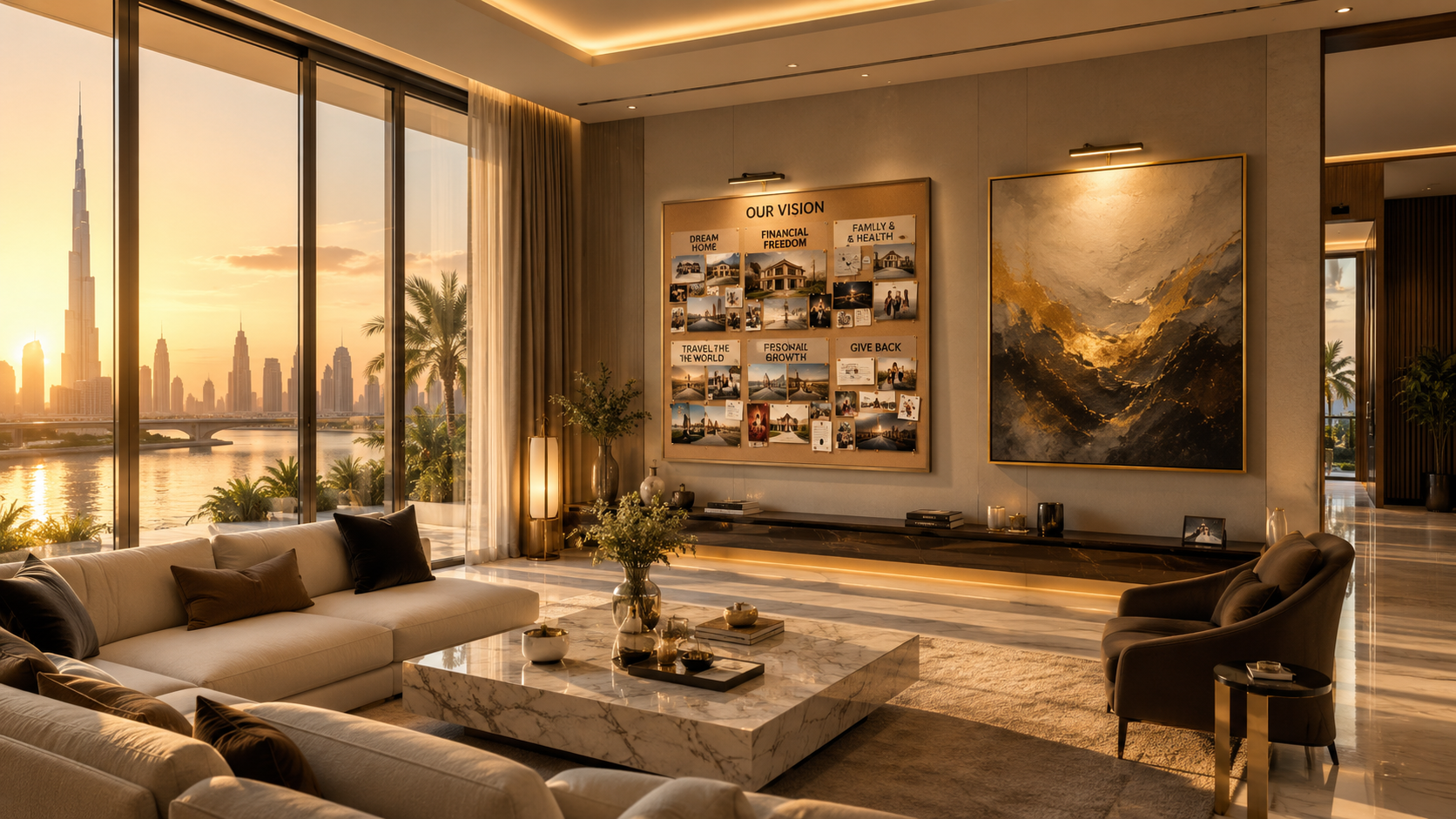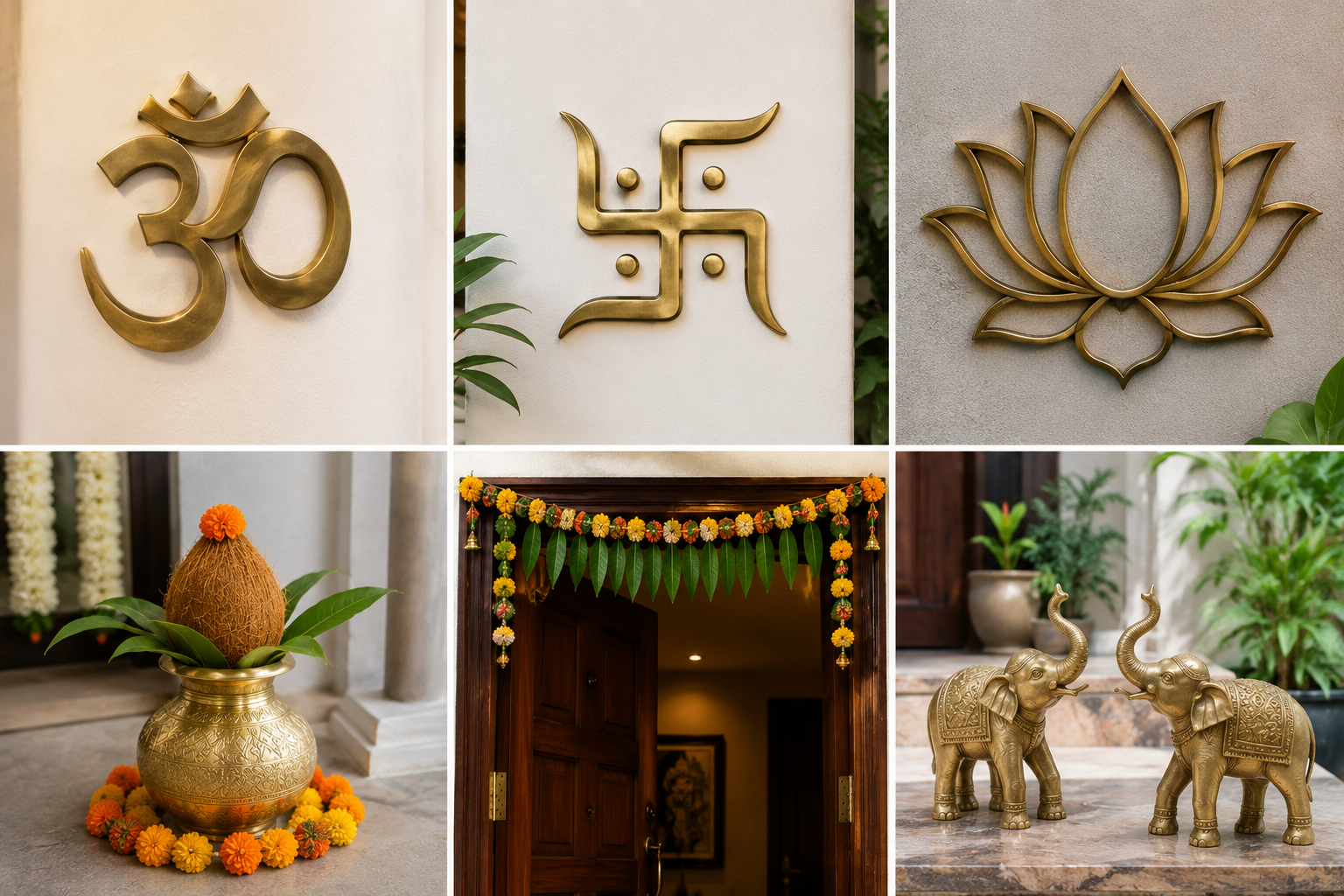
Have you ever entered a place and instantly felt calm, safe, or deeply connected even without knowing why? Some homes feel welcoming the moment you step inside, while others, despite luxury interiors, feel emotionally distant. This connection is not accidental. Humans naturally develop emotional and spiritual attachments to spaces, and this relationship has been understood for centuries through psychology, environmental design, and ancient sciences like Vastu.
At Vastu in Dubaii, we often observe that people are not only searching for beautiful homes or offices; they are also searching for spaces that feel right. Understanding why humans form attachments to certain environments helps us create spaces that support happiness, growth, and inner balance.
Spaces Are More Than Physical Structures
A building is made of walls, materials, and design. But a space carries energy, memories, and emotional experiences.
Humans spend most of their lives inside environments: homes, workplaces, shops, or sacred spaces. Over time, these environments influence thoughts, emotions, and behavior. When a space aligns with human comfort and natural energy flow, people instinctively feel relaxed and connected.
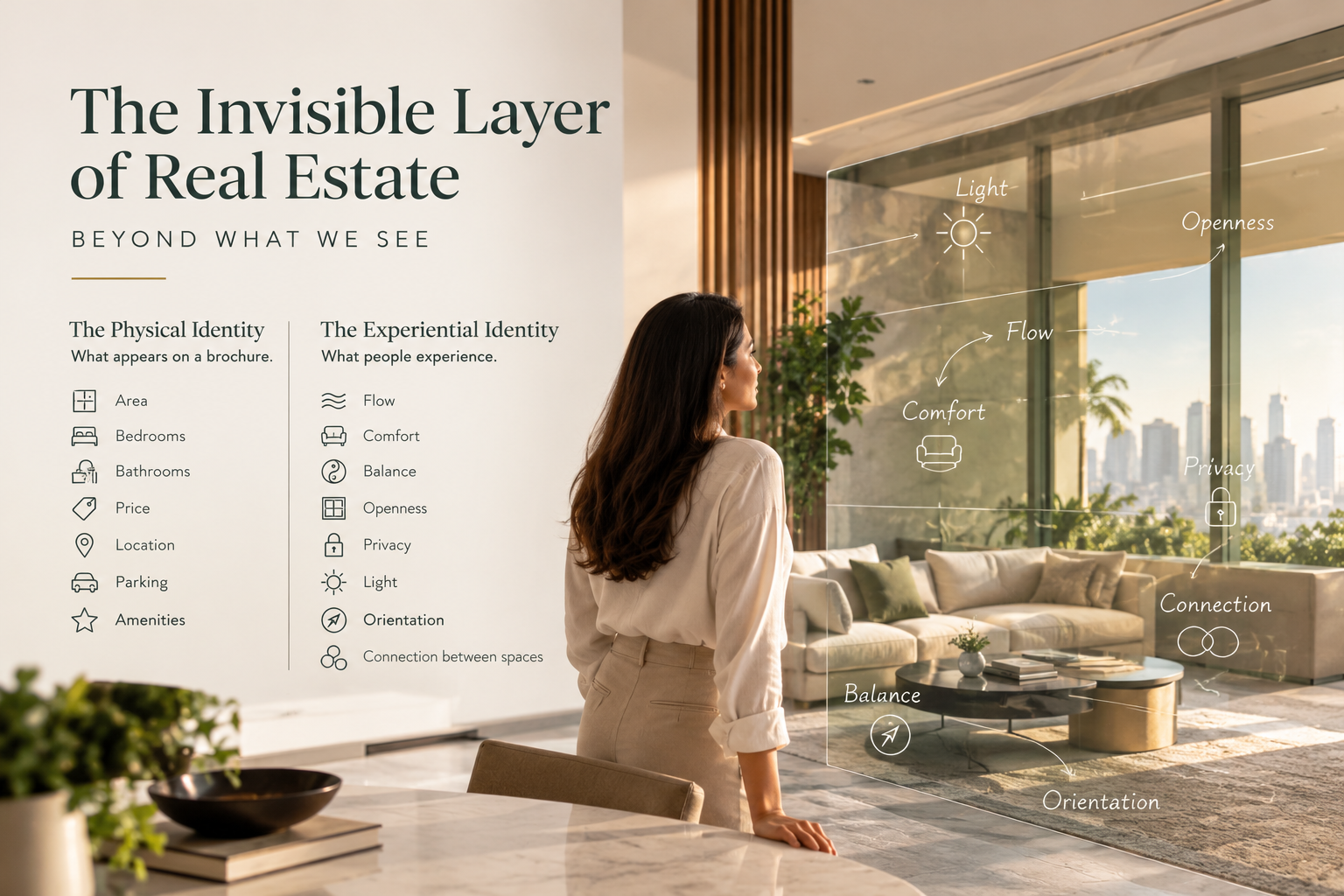
This emotional response happens because our brain constantly reads environmental signals such as:
- Light and openness
- Direction and movement
- Sound and silence
- Colors and textures
- Energy flow within the surroundings
When these elements work in harmony, the space begins to feel familiar and comforting.
The Psychology Behind Emotional Attachment to Spaces
Human attachment to places is deeply psychological. Just as we form bonds with people, we also build relationships with environments.
1. Memories Create Emotional Roots
Spaces where meaningful moments happen automatically gain emotional importance. Childhood homes, peaceful corners, or productive workspaces hold memories that strengthen attachment.
The brain links emotions with locations. Happiness, success, safety, and belonging become associated with specific environments.
2. Sense of Control and Security
Humans naturally seek environments where they feel secure. A well-organized space gives a sense of stability and control over life. This is why people feel relaxed in spaces that are balanced and clutter-free.
3. Familiarity Builds Comfort
Repeated interaction with a place creates psychological comfort. Familiar layouts, natural light, and balanced design reduce mental stress and make individuals feel grounded.
The Role of Energy in Spatial Connection
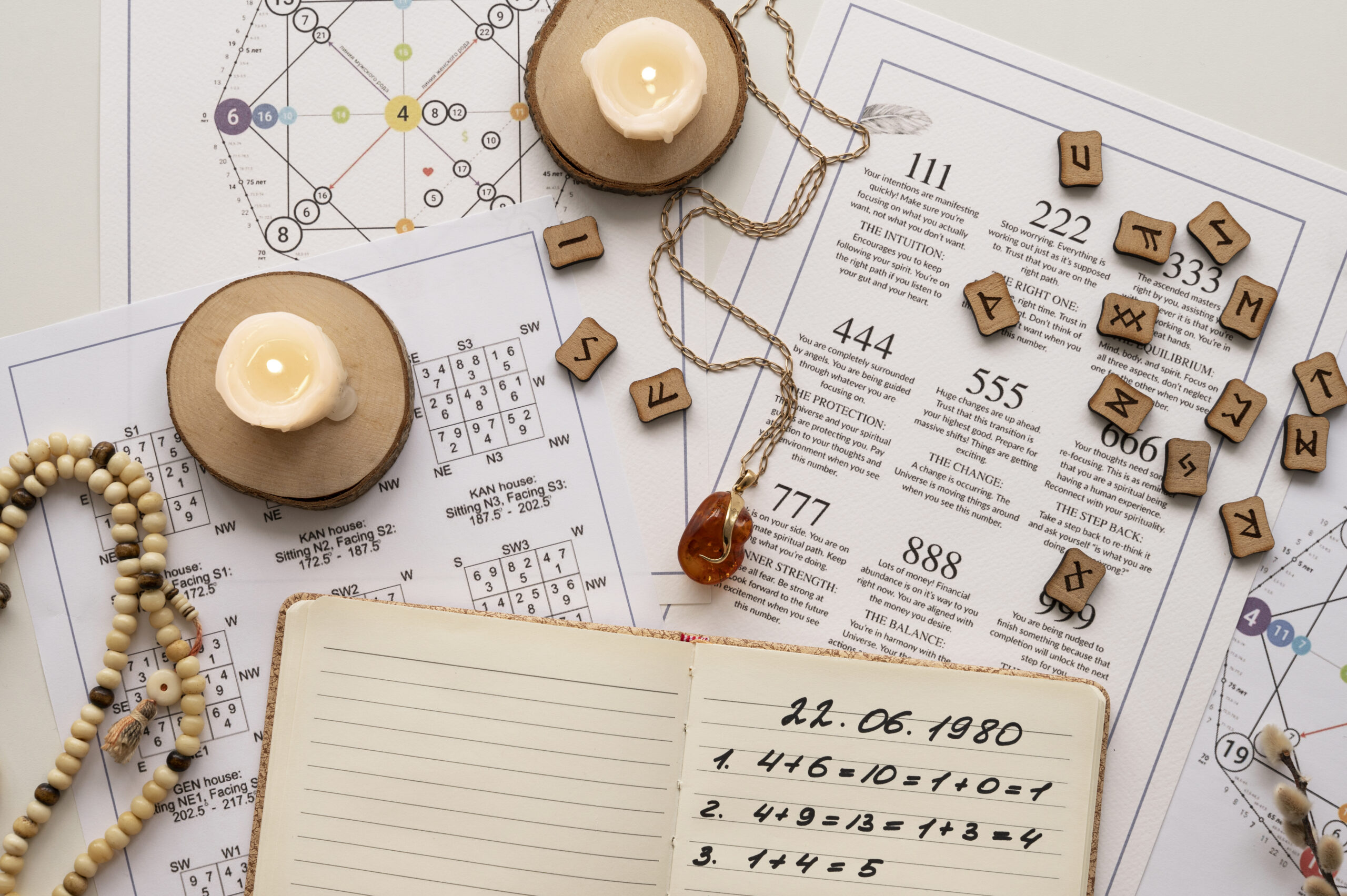
Ancient architectural wisdom teaches that spaces carry subtle energy. According to Vastu principles, every direction and element influences human experience.
A balanced space supports:
- Mental clarity
- Emotional stability
- Positive relationships
- Better sleep and focus
When energy circulation is disturbed through improper layout, blocked light, or imbalance of elements, people may feel restless or uncomfortable without understanding the reason.
This explains why two houses with identical designs can feel completely different emotionally.
Why Certain Homes Instantly Feel Like Home
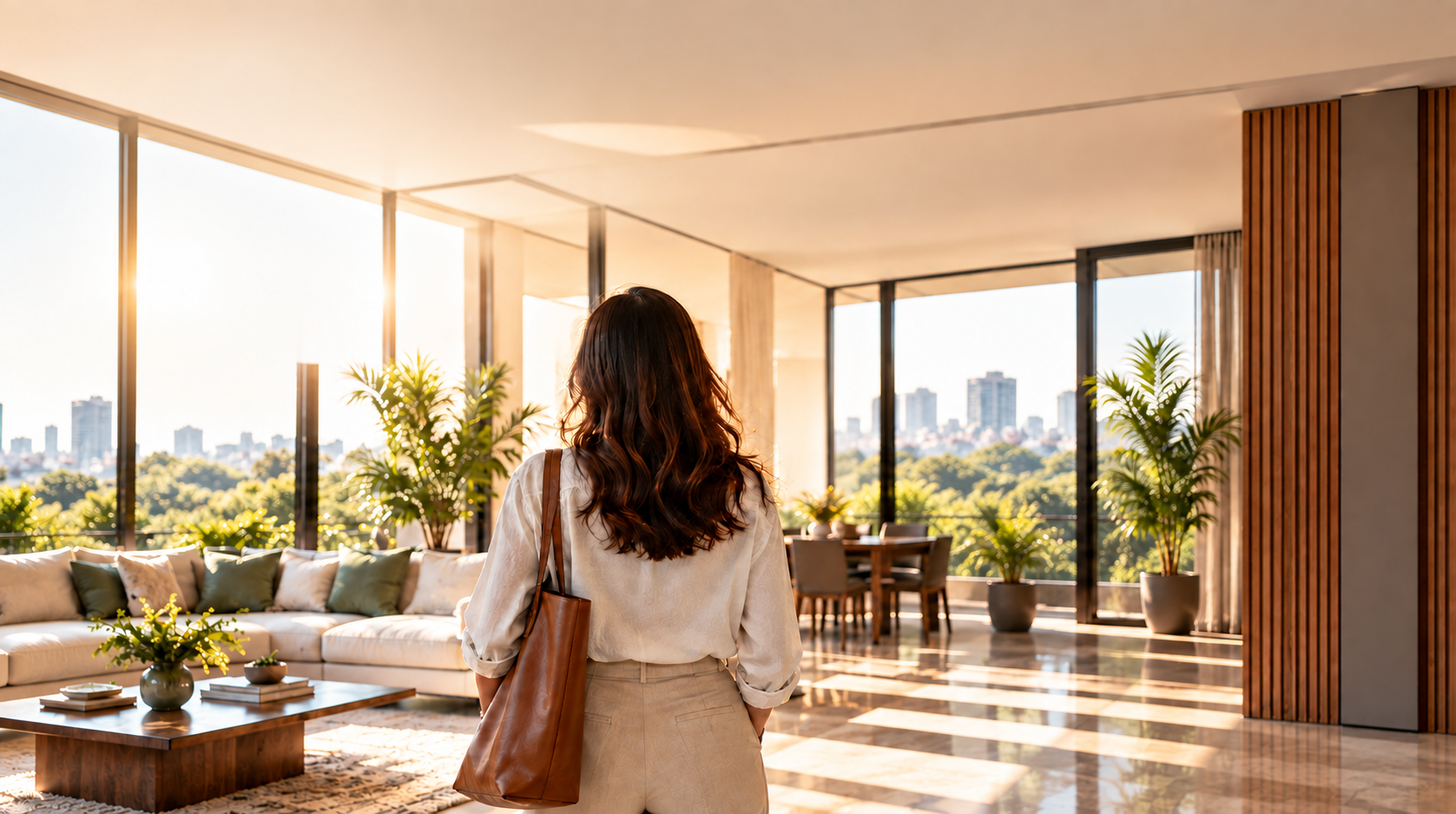
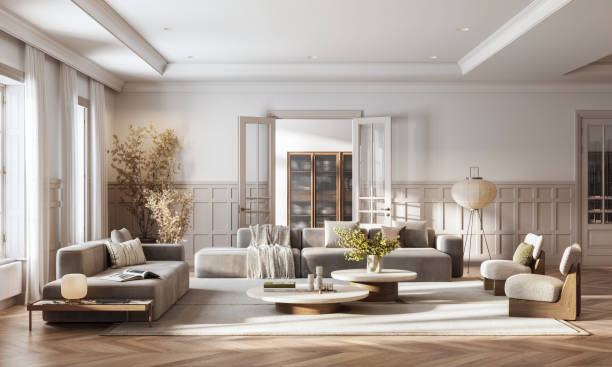
Many people describe a powerful experience while house hunting; they walk into one property and simply know it is right. This instinctive response occurs because the environment resonates with their emotional and energetic needs.
Key factors include:
Natural Light
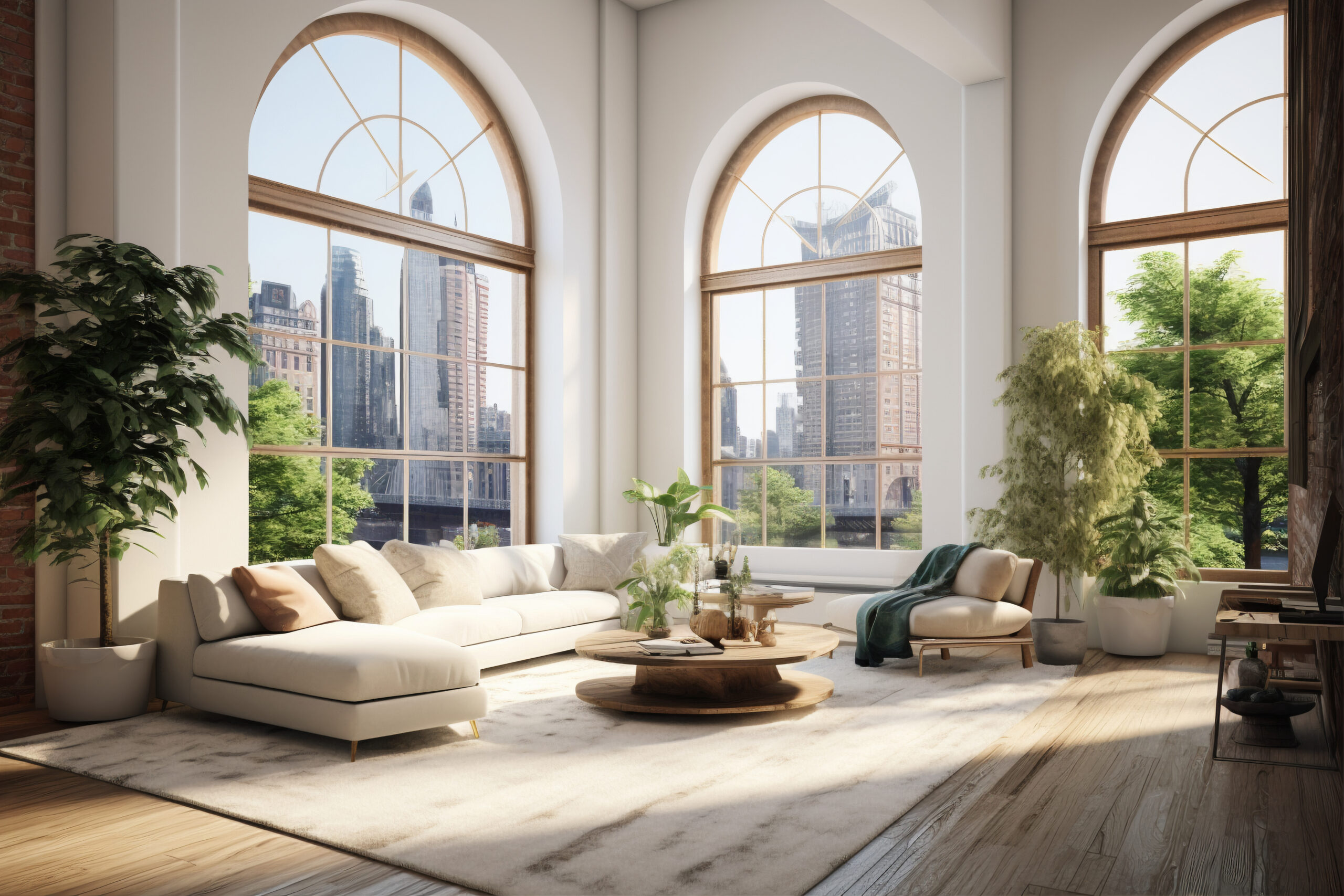
Sunlight influences mood and biological rhythms. Bright, well-lit spaces promote positivity and reduce anxiety.
Directional Alignment
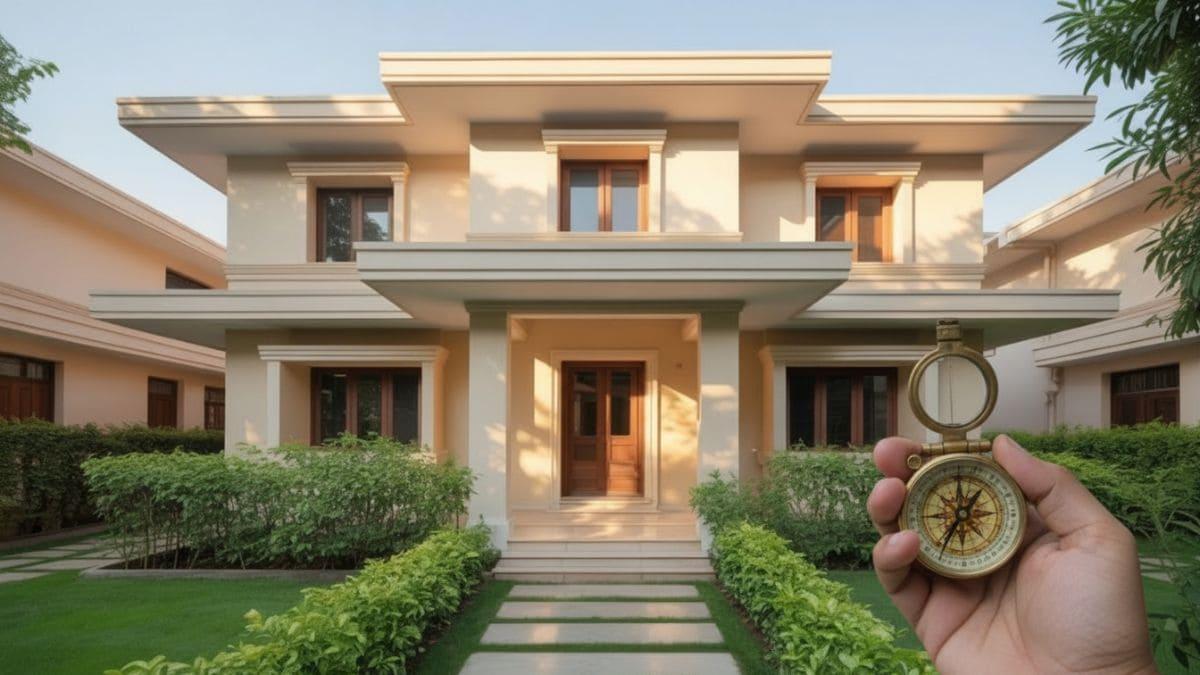
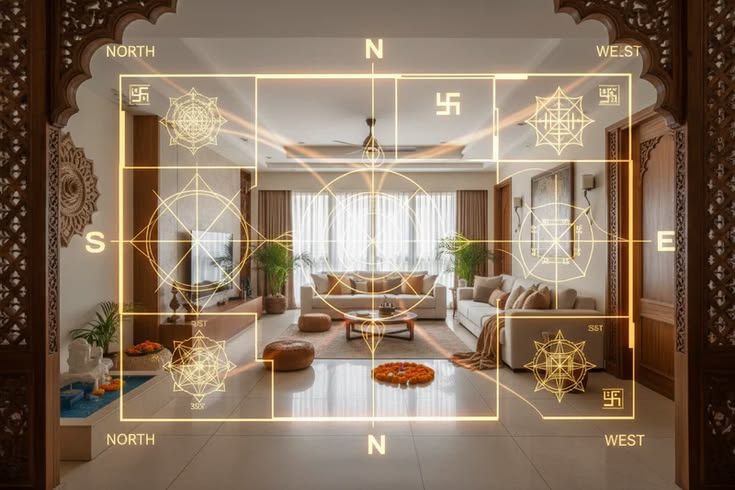
Spaces aligned with natural directions allow smoother energy flow, enhancing comfort and productivity.
Spatial Flow
Easy movement between rooms creates psychological ease. Congested layouts often create subconscious tension.
Connection to Nature
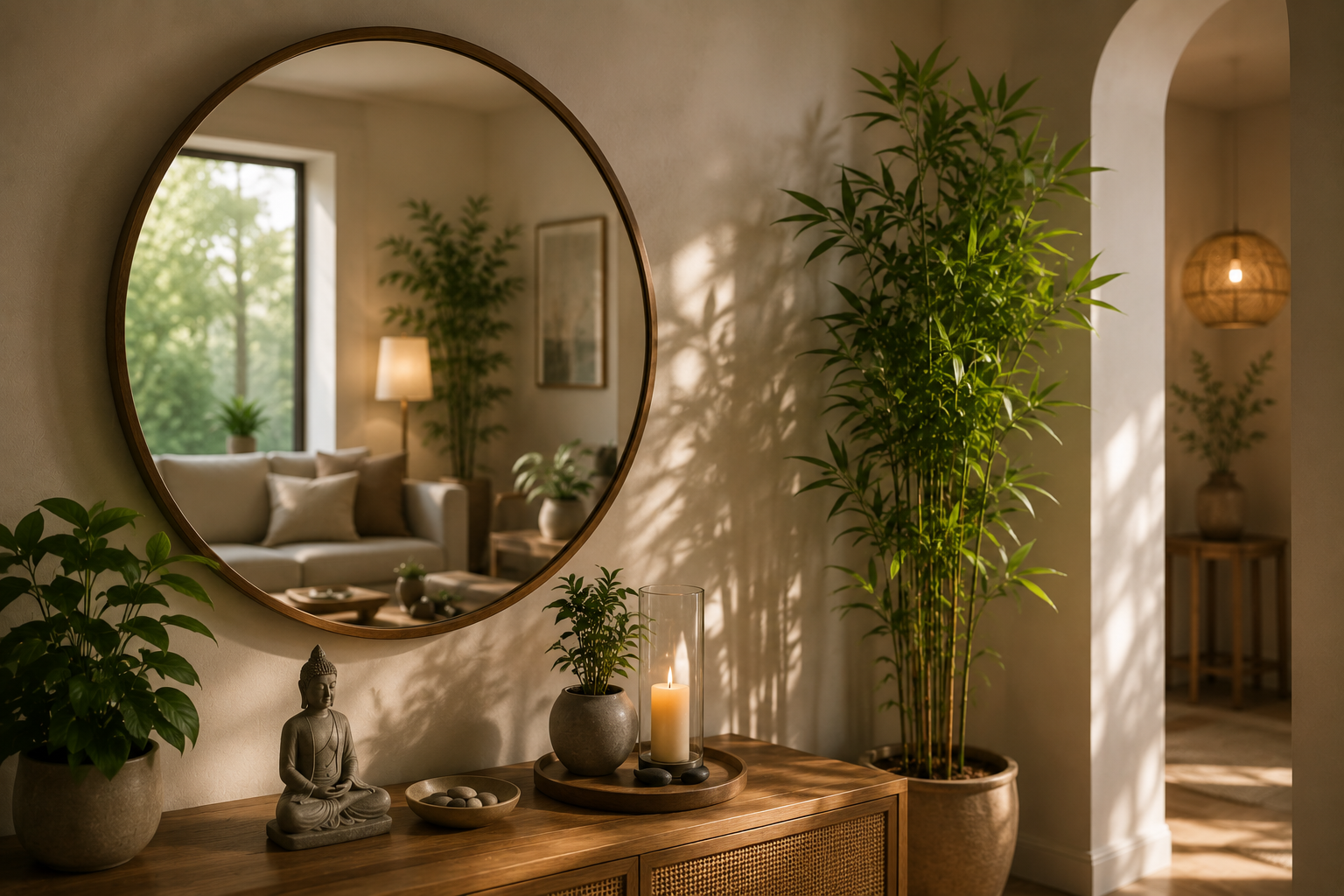
Plants, open views, and ventilation reconnect humans with nature, something modern lifestyles often lack.
Spiritual Dimensions of Human-Space Connection
Across cultures, homes have always been considered sacred spaces. Spiritually, a home represents protection, identity, and personal energy.
When a space supports spiritual balance:
- Meditation becomes easier
- Emotional healing improves
- Relationships feel more harmonious
- Stress levels naturally decrease
Sacred geometry, balanced directions, and intentional placement of rooms help create environments where energy nurtures human well-being.
Why Workspaces Also Create Attachment
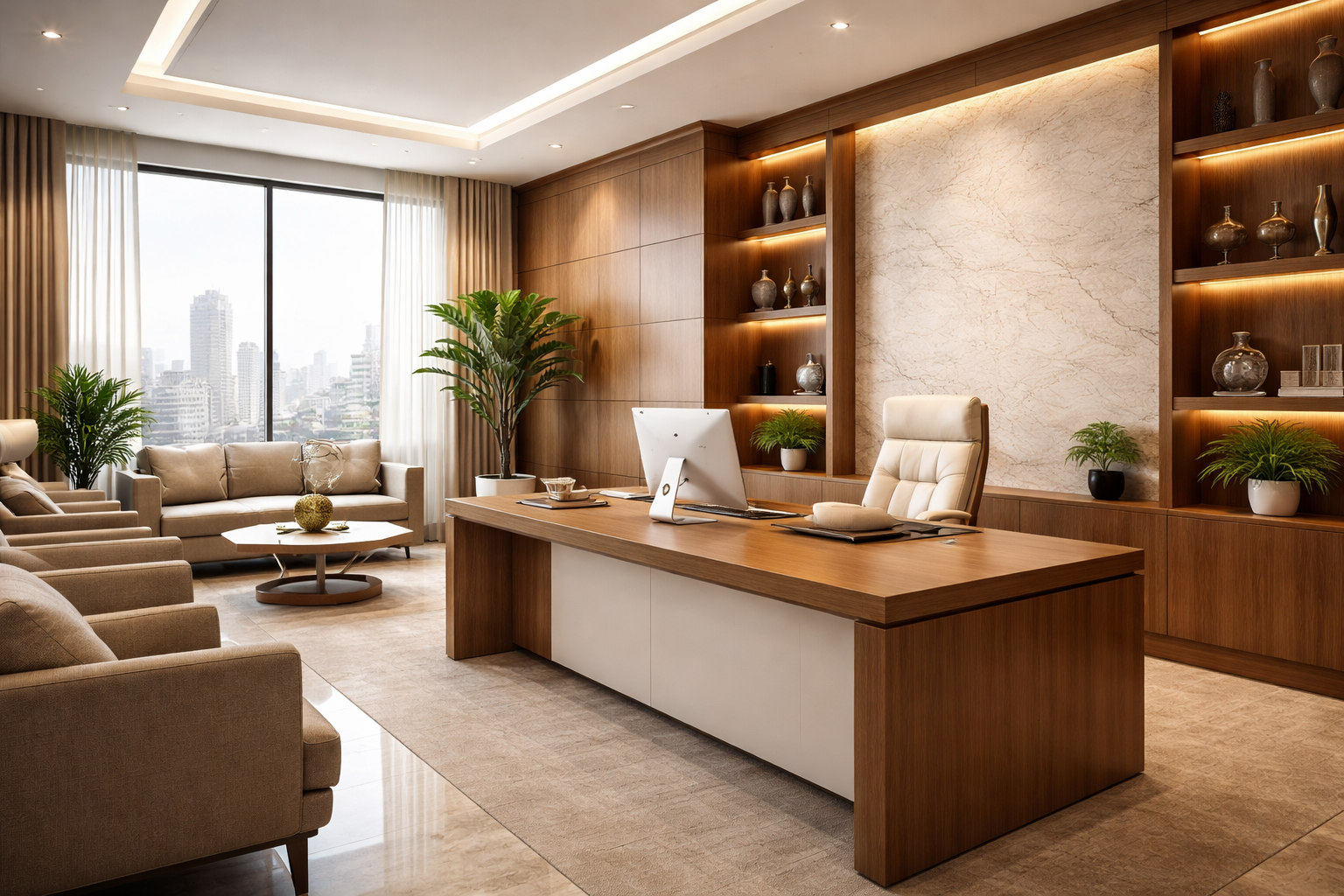
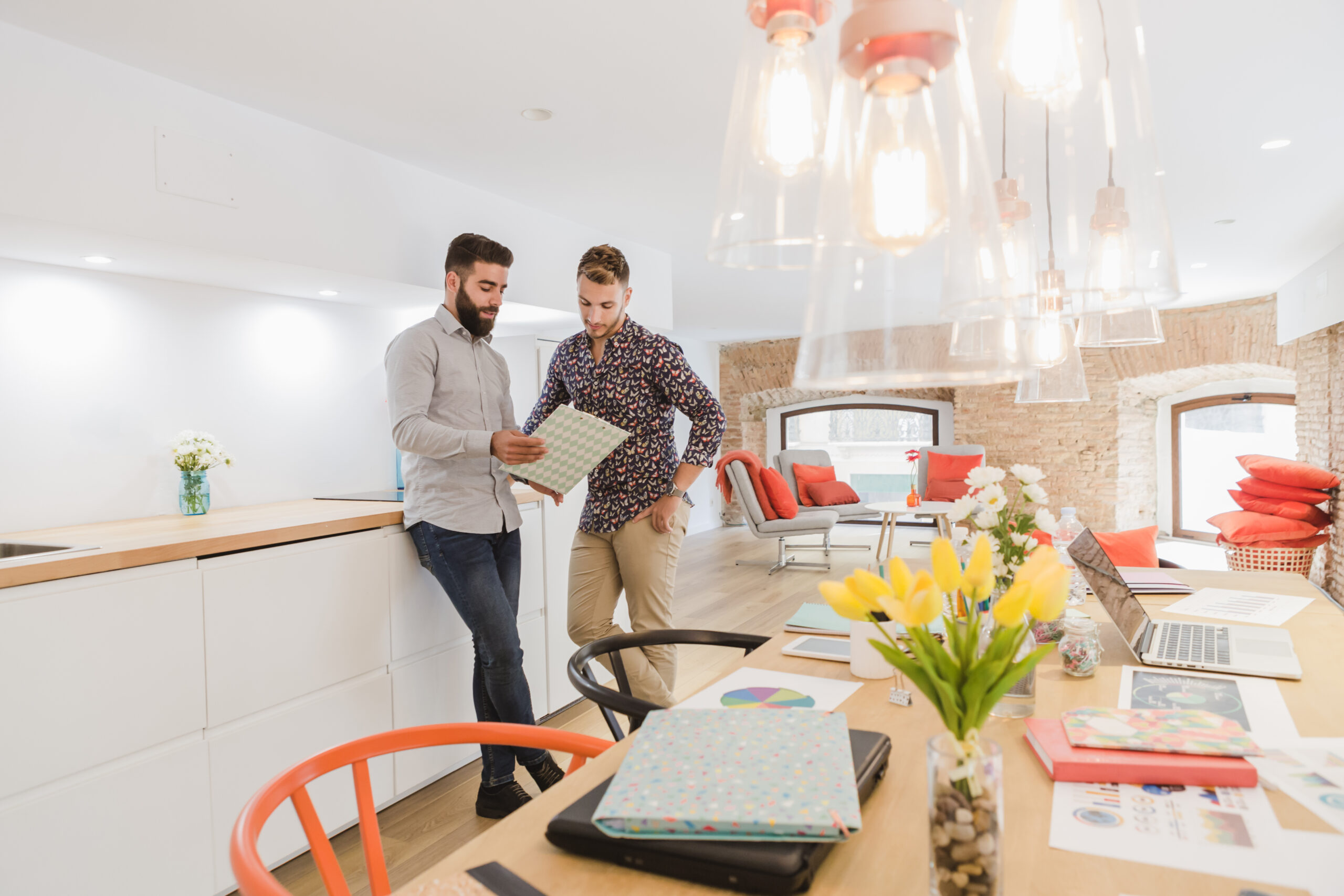
Attachment is not limited to homes. Offices, studios, and businesses also develop emotional significance.
People feel connected to workspaces where they experience:
- Growth and achievement
- Creativity and focus
- Positive interactions
- Recognition and purpose
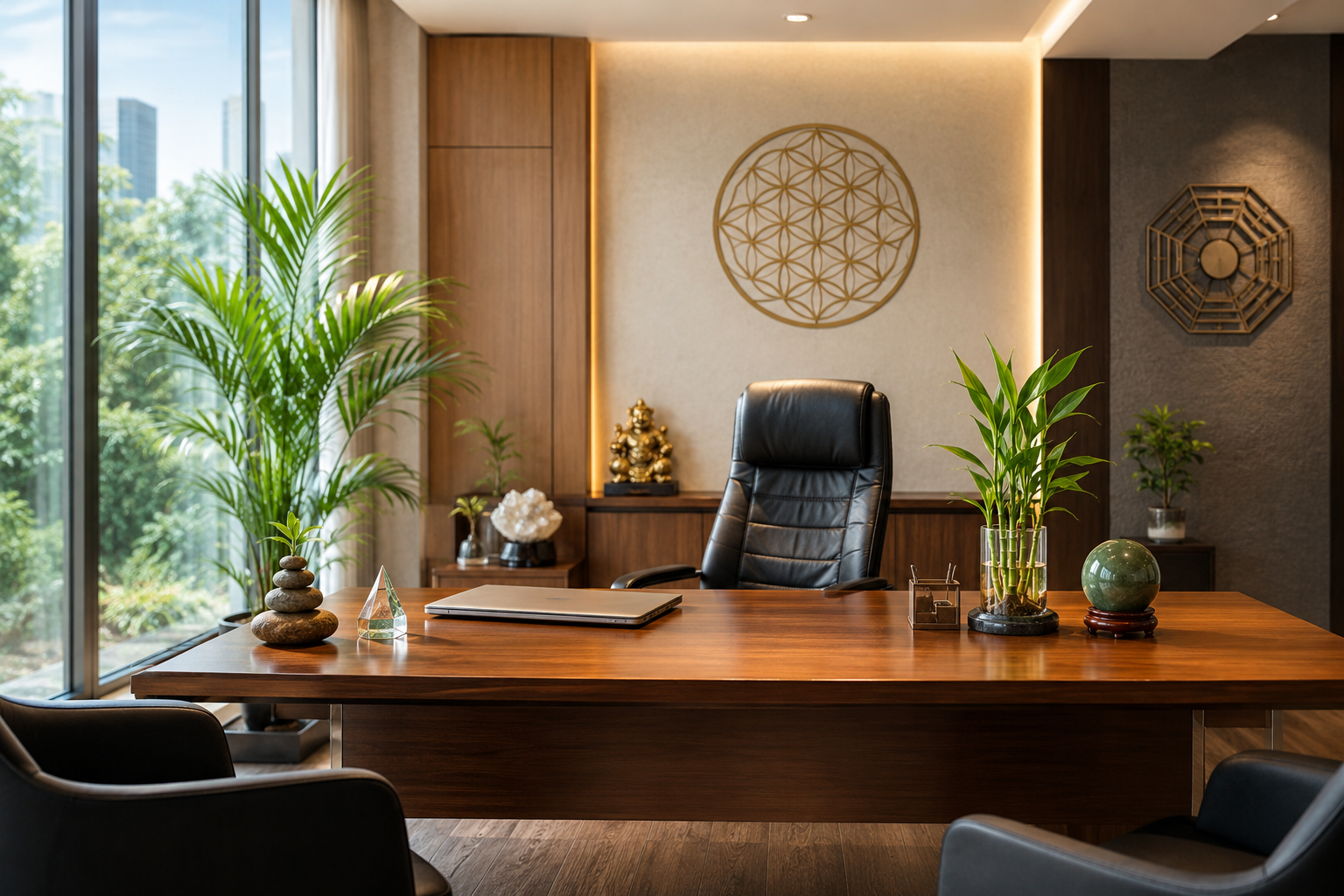
A workspace aligned with Vastu principles improves concentration, decision-making, and professional confidence.
Organizations increasingly recognize that spatial design directly affects productivity and employee satisfaction.
How Modern Lifestyle Has Changed Our Relationship with Spaces
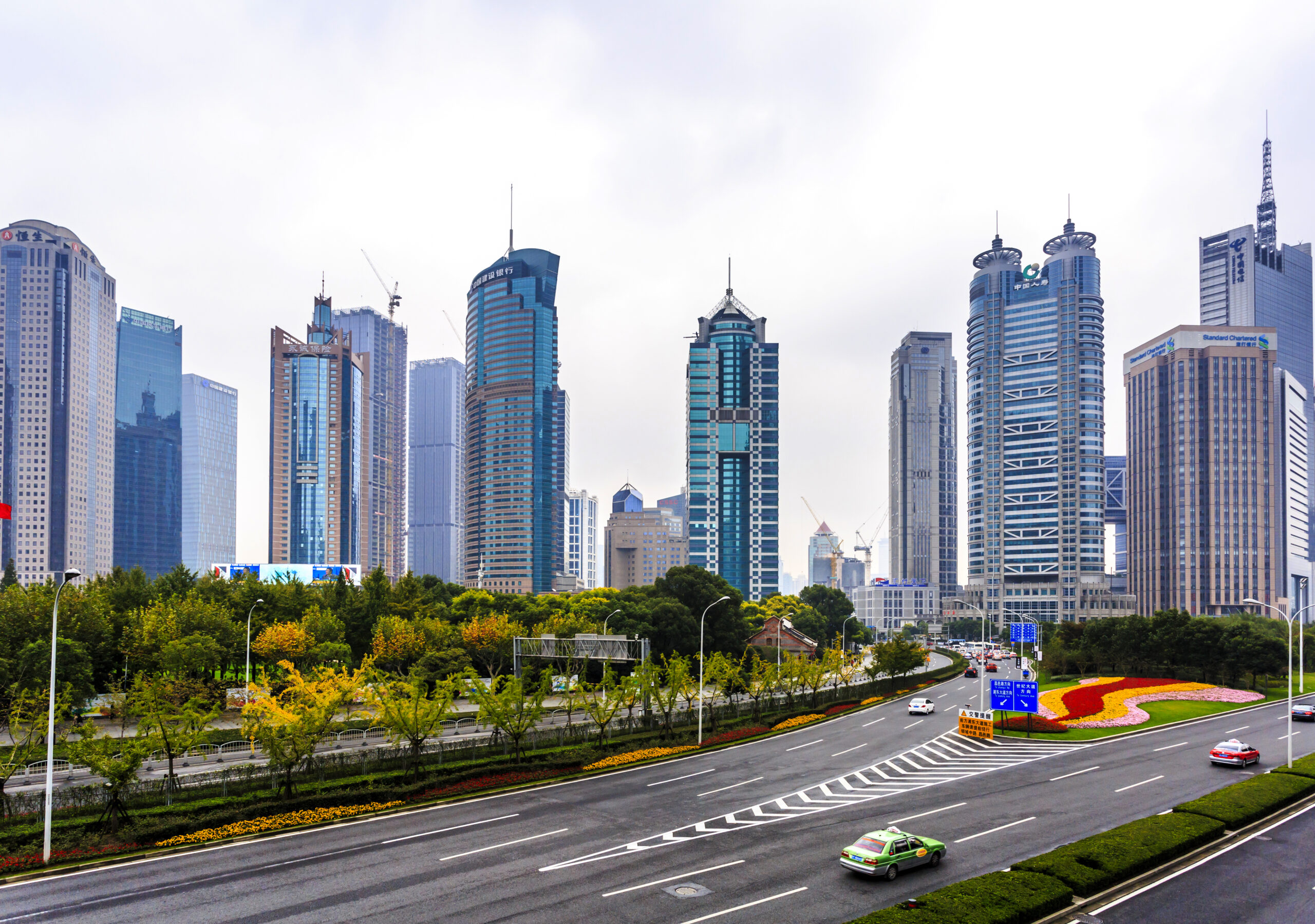
Urban living has transformed how humans interact with environments. Fast-paced routines, compact apartments, and digital lifestyles often disconnect people from spatial harmony.
Common modern challenges include:
- Limited natural light
- Overcrowded layouts
- Excessive electronic exposure
- Lack of natural elements
These factors can create emotional fatigue. Designing spaces intentionally becomes essential to restore balance.
Signs You Are Emotionally Connected to a Space
You may already have experienced this connection if you notice:
- Feeling peaceful immediately upon entering
- Improved focus and clarity
- Better sleep quality
- Reduced stress levels
- Desire to spend more time in that environment
Such reactions indicate alignment between personal energy and spatial energy.
Creating Spaces That People Naturally Love
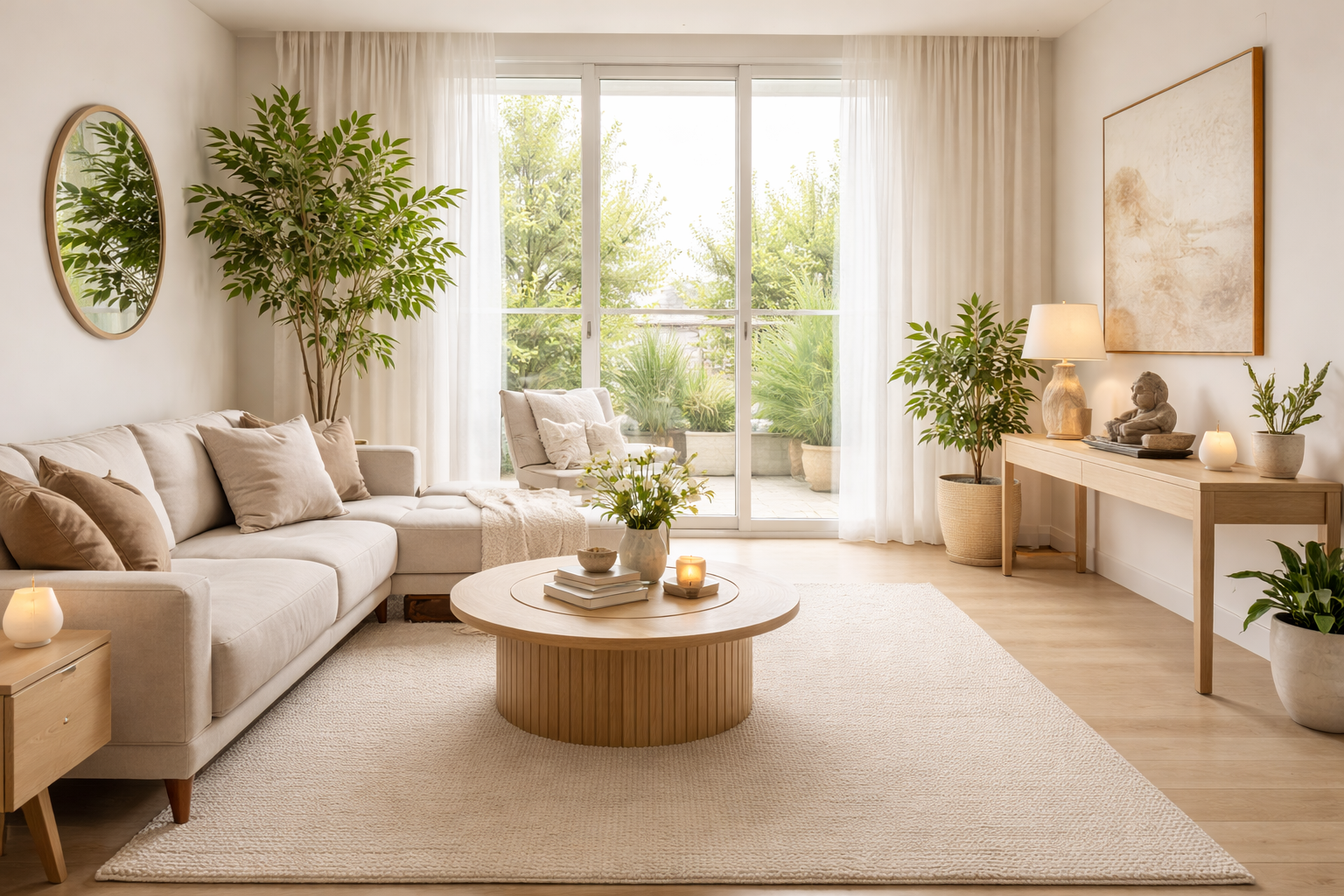
The good news is that emotional attachment to spaces can be consciously created. Small design decisions significantly influence how a place feels.
1. Maintain Balance and Order
Clutter blocks both physical and energetic flow. Organized spaces support calm thinking.
2. Use Natural Elements
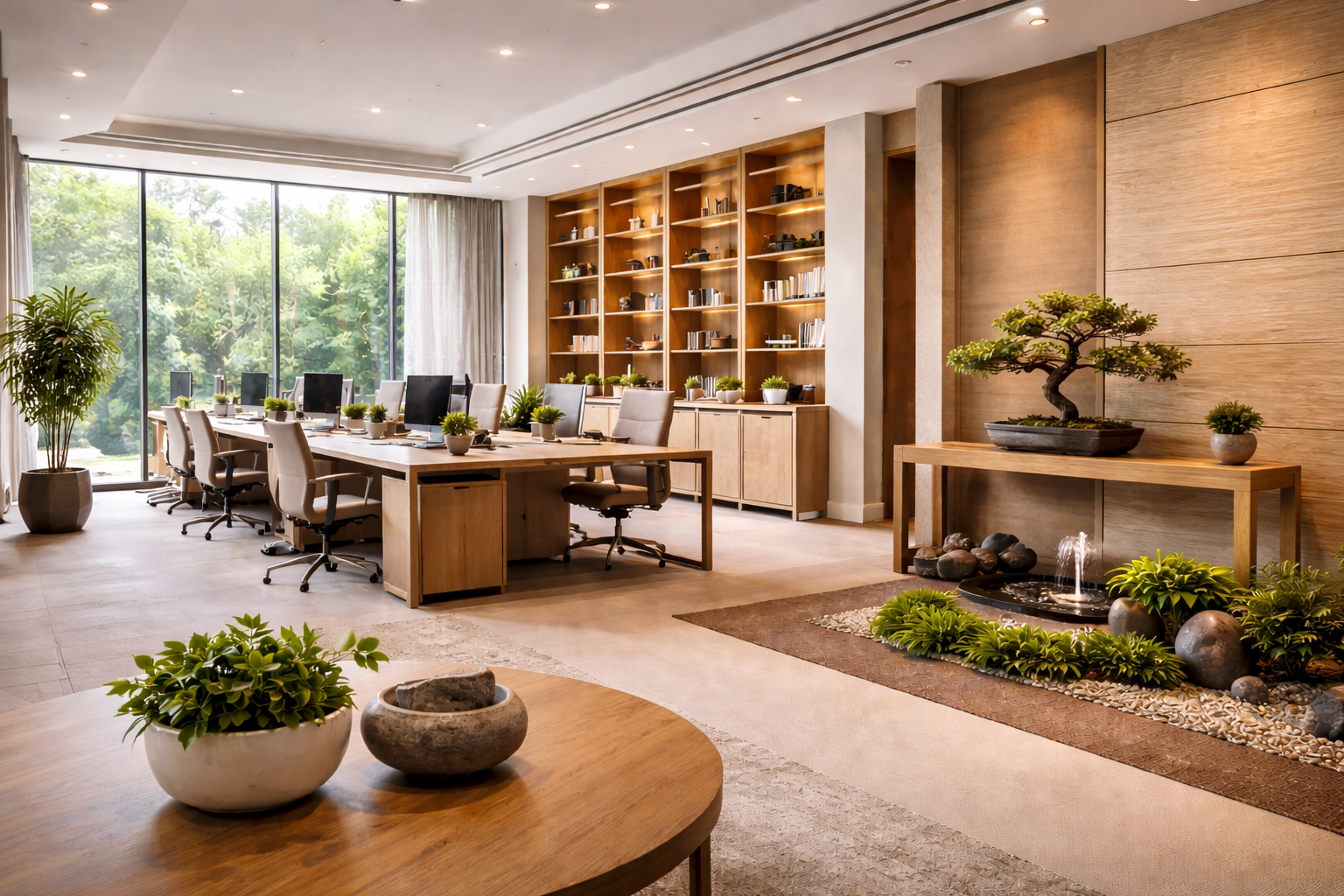
Incorporating earth, water, air, fire, and space creates harmony within interiors.
3. Optimize Lighting
Balanced lighting enhances mood and spiritual comfort.
4. Respect Directional Energy
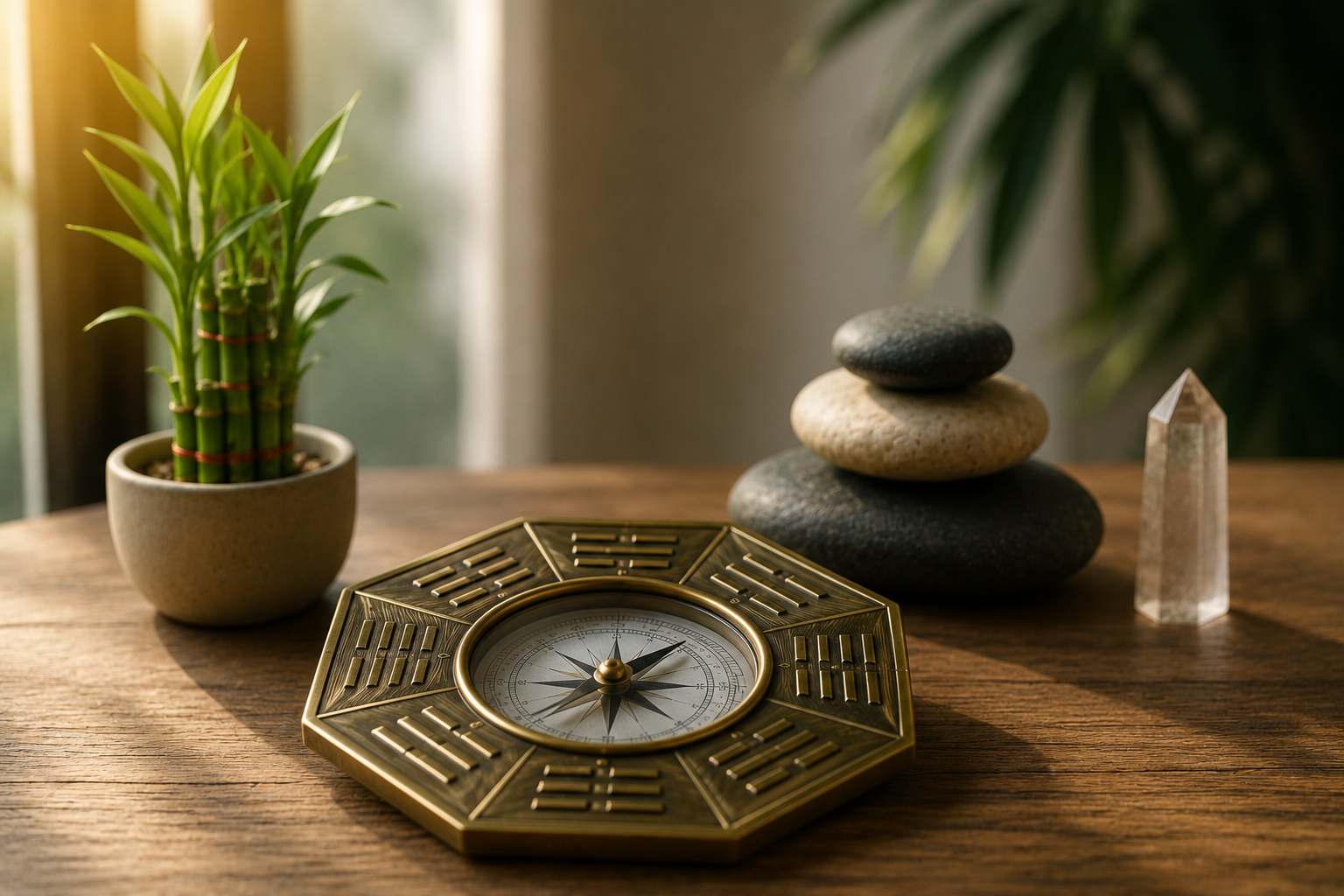
Proper placement of bedrooms, entrances, and work areas strengthens positive energy movement.
5. Personalize Meaningfully
Adding personal memories, artwork, or symbolic objects deepens emotional bonding with the space.
Vastu Perspective: Spaces Shape Human Experiences
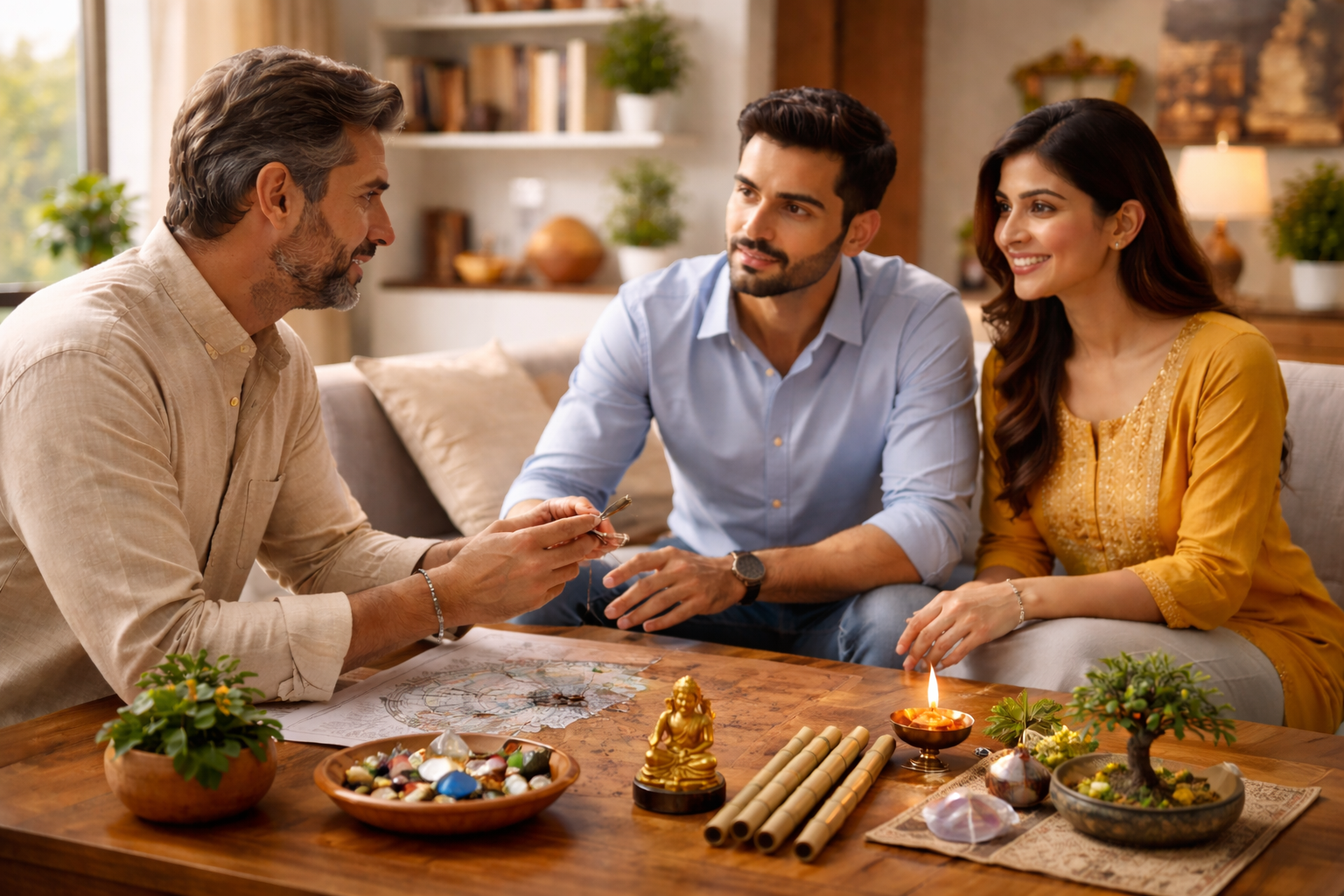
Vastu believes that humans and spaces continuously exchange energy. A harmonious environment does not just look beautiful; it actively supports life goals.
At Vastu in Dubaii, we focus on aligning spaces with natural energy principles so that homes and workplaces become sources of strength rather than stress. When spatial balance is achieved, people often experience improvements not only in comfort but also in relationships, health, and success.
The Future of Human-Centered Space Design
Modern architecture is gradually returning to ancient wisdom. Designers, psychologists, and wellness experts now acknowledge that emotional well-being depends heavily on environmental design.
The future of living spaces lies in combining the following:
- Scientific understanding
- Emotional psychology
- Spiritual alignment
- Sustainable architecture
Spaces are no longer just shelters; they are environments that shape human identity and lifestyle.
Conclusion: Spaces Choose Us as Much as We Choose Them
Humans feel attached to certain spaces because environments reflect inner emotions, memories, and energetic alignment. A truly harmonious space supports both practical living and emotional fulfillment.
When design respects natural flow, light, direction, and energy, spaces transform into places where people feel safe, inspired, and deeply connected.
Creating such environments is not about luxury; it is about balance.
And when balance exists, a space stops being just a structure… it becomes home.
Vastu in Dubaii believes that every space has the potential to nurture peace, positivity, and purpose when designed with awareness and harmony.