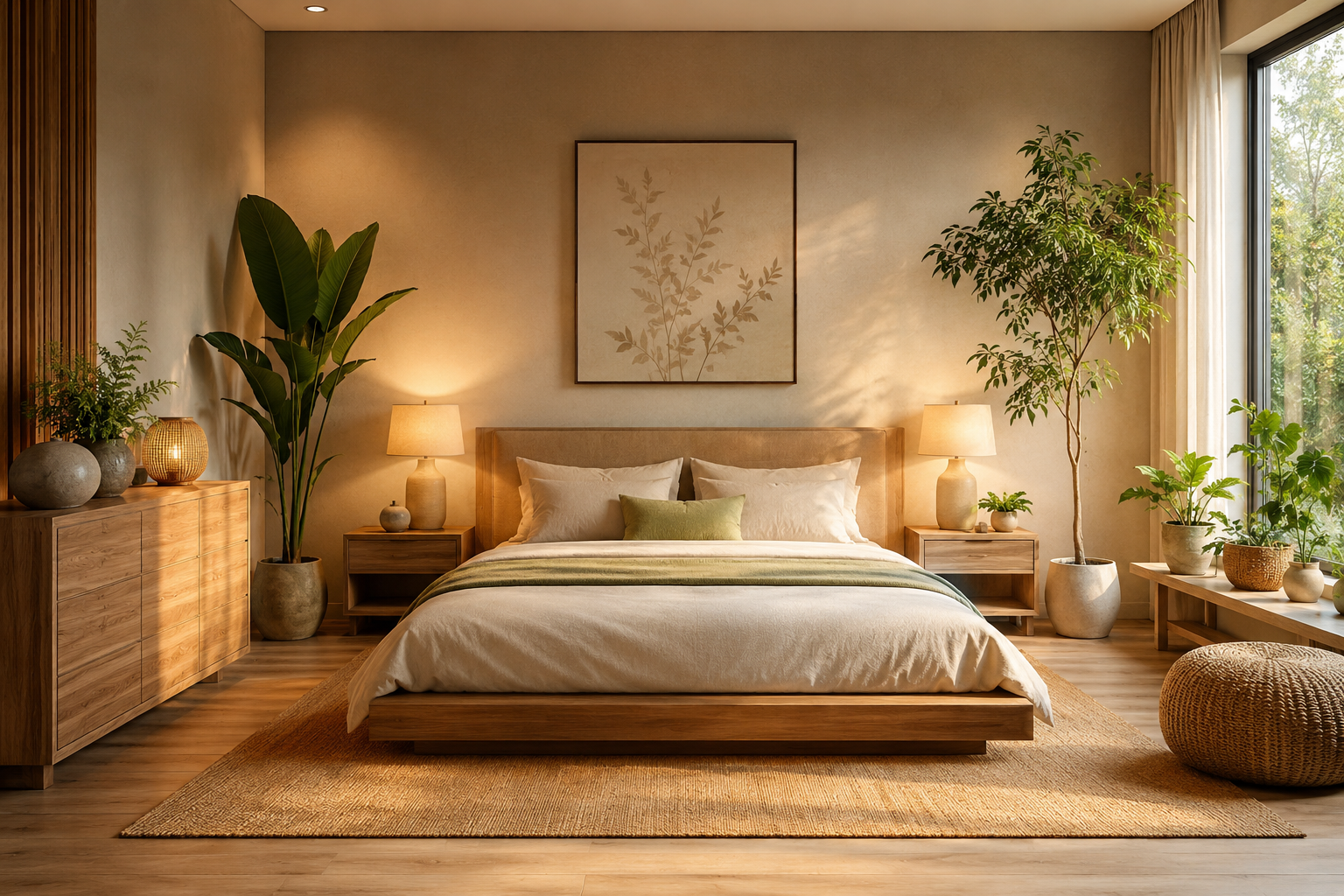
A bedroom is more than just a place to sleep. It is where you recharge, relax, and spend some of your most important quiet moments. When the energy in your bedroom feels balanced and peaceful, it can positively influence your sleep quality, relationships, and overall well-being. This is where Feng Shui comes in.
At Vastu in Dubaii, we often meet homeowners who want to create a more harmonious living environment. One of the most effective places to start is the bedroom. By applying simple Feng Shui principles, you can create a space that supports rest, positivity, and emotional balance.
What Is Feng Shui and Why Does It Matter?
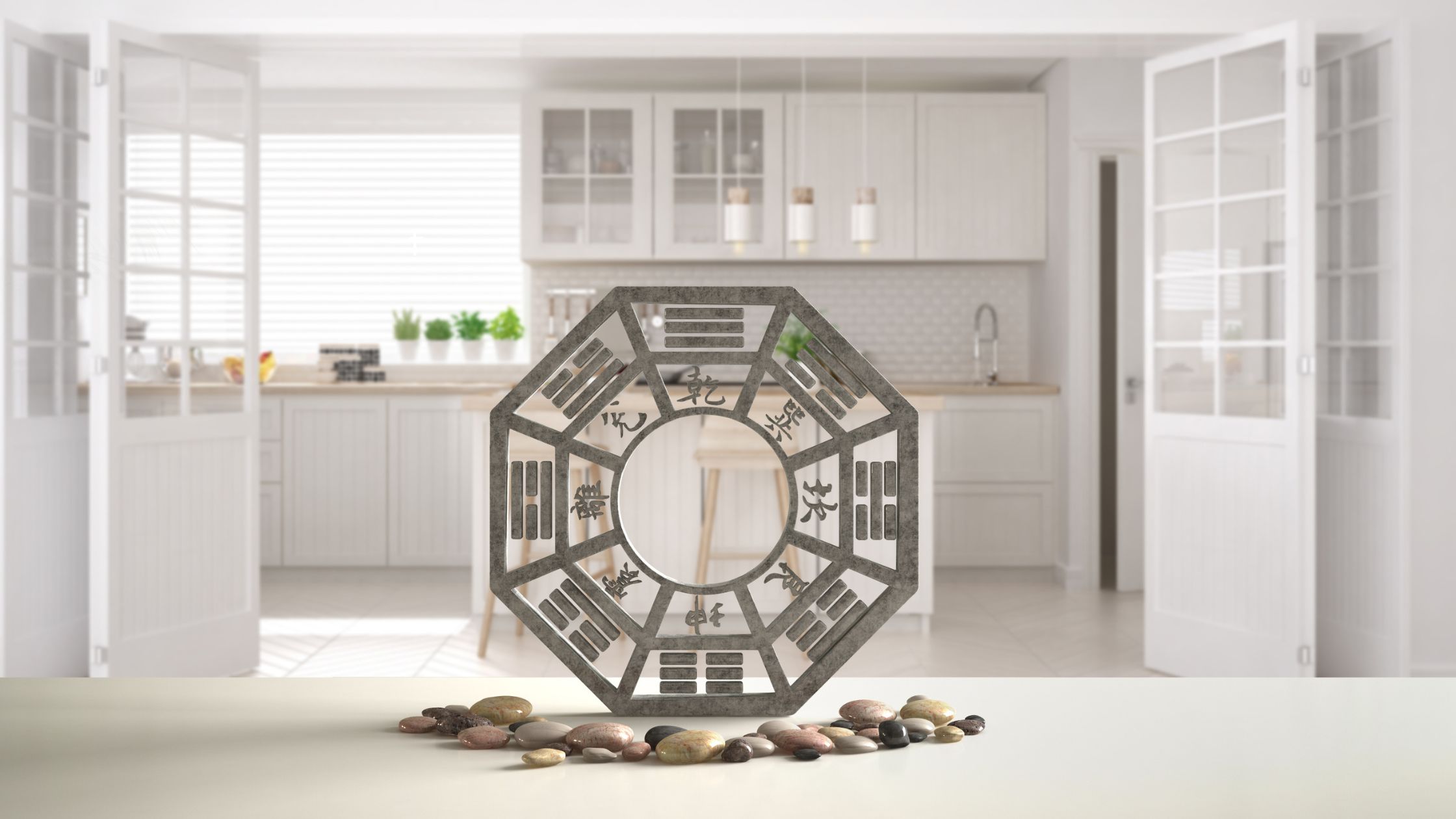
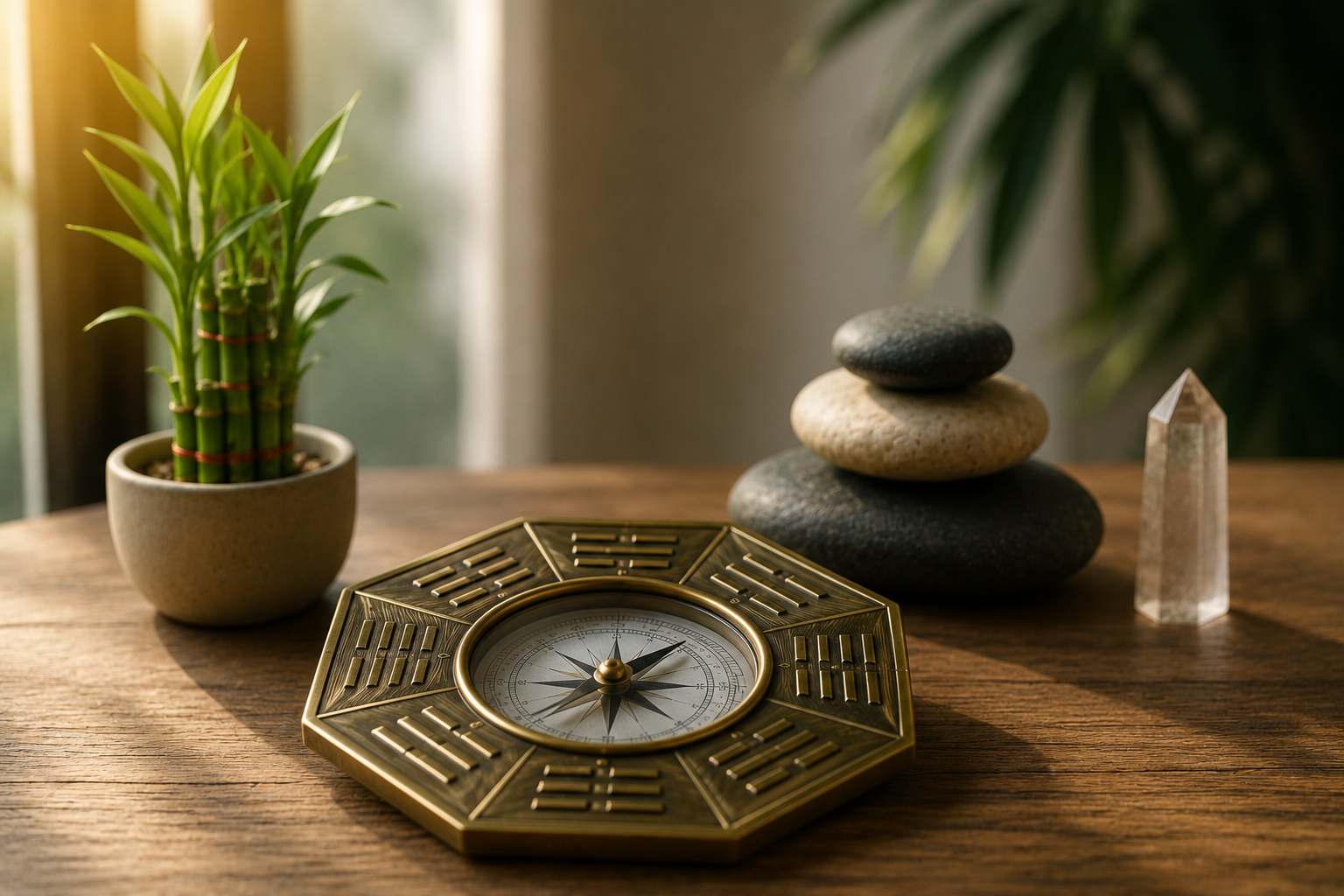
Feng Shui is an ancient Chinese practice that focuses on balancing energy, also known as “Chi,” within a space. The goal is to arrange your surroundings in a way that promotes health, happiness, prosperity, and harmony.
Your bedroom plays a vital role because it is the space where your body and mind recover from daily stress. A well-designed bedroom can help improve sleep, reduce anxiety, and create a calming atmosphere.
Feng Shui for Bedroom: The Importance of Bed Placement
One of the most important aspects of Feng Shui for Bedroom design is the placement of the bed.
Ideally, your bed should:
- Be positioned so you can see the door without being directly in line with it.
- Have a solid wall behind the headboard for support and stability.
- Be accessible from both sides.
- Avoid being placed directly under a window.
This arrangement is often referred to as the “command position” and is believed to create a sense of security and control.
Choose Colors That Promote Relaxation
Colors have a significant impact on mood and energy. For a Feng Shui bedroom, soft and calming shades are generally recommended.
Some popular choices include:
- Light beige
- Soft cream
- Pale blue
- Muted green
- Warm earth tones
Avoid overly bright or aggressive colors such as intense red, neon shades, or bold black accents, especially if restful sleep is your priority.
Declutter to Improve Energy Flow
Clutter can block positive energy and create feelings of stress or restlessness.
To improve energy flow in your bedroom:
- Keep surfaces clean and organized.
- Remove unused items.
- Avoid storing excessive belongings under the bed.
- Organize wardrobes and drawers regularly.
A clutter-free environment allows energy to move freely and helps create a more peaceful atmosphere.
Feng Shui for Bedroom: Creating Balance Through Furniture
Balance is a key principle in Feng Shui. Symmetry often helps create a sense of harmony within the room.
Consider:
- Matching bedside tables on both sides of the bed.
- Balanced lighting arrangements.
- Even distribution of decorative elements.
This approach is particularly beneficial for couples, as it symbolizes equality and mutual support.
Limit Electronics in the Bedroom
Modern bedrooms are often filled with electronic devices, but Feng Shui encourages minimizing their presence.
Televisions, laptops, tablets, and mobile phones can introduce stimulating energy that interferes with relaxation and sleep.
If possible:
- Keep electronic devices out of the bedroom.
- Turn off Wi-Fi devices before sleeping.
- Charge phones away from the bed.
Creating a technology-free zone can help establish a more restful environment.
Incorporate Natural Elements
Nature-inspired elements can bring freshness and balance to your bedroom.
You can introduce natural energy through:
- Wooden furniture
- Natural fabrics
- Indoor plants (placed thoughtfully)
- Stone or ceramic décor
- Soft natural lighting
These elements help create a stronger connection with nature and promote a sense of calm.
Mirrors and Feng Shui: What You Should Know
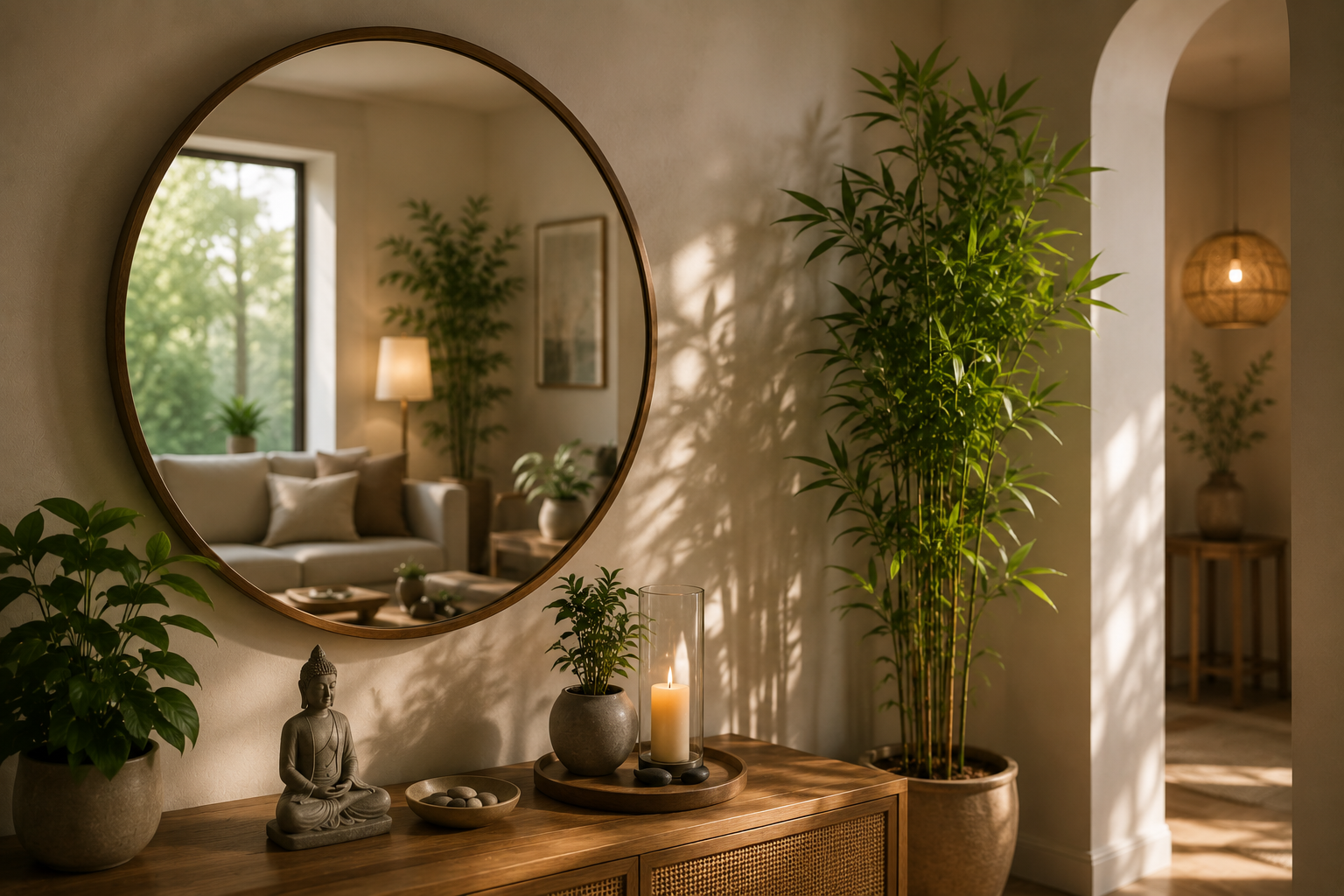
Mirrors are powerful Feng Shui tools, but their placement requires careful consideration.
Many Feng Shui practitioners recommend avoiding mirrors that directly reflect the bed. This is believed to create excessive energy movement that may disturb sleep.
If a mirror reflects your bed, consider repositioning it or covering it at night.
Keep the Bedroom Focused on Rest
The bedroom should primarily be a sanctuary for relaxation and intimacy.
Avoid turning it into:
- A home office
- A workout area
- A storage room
When the room serves too many functions, the energy becomes scattered. Keeping the space dedicated to rest supports better sleep and emotional well-being.
Common Feng Shui Mistakes to Avoid
Many homeowners unknowingly create energy imbalances in their bedrooms.
Some common mistakes include:
- Sleeping directly under exposed beams.
- Placing the bed in line with the bedroom door.
- Keeping broken items in the room.
- Using harsh lighting.
- Overcrowding the space with furniture.
Making small adjustments can significantly improve the overall feel and energy of the room.
How Vastu in Dubaii Can Help
While Feng Shui offers valuable insights into creating balanced spaces, every home is unique. Factors such as room layout, architecture, and personal energy requirements all play a role.
At Vastu in Dubaii, we help homeowners and property owners create harmonious environments using both Vastu Shastra and Feng Shui principles. Our personalized consultations provide practical recommendations tailored to your specific space and goals.
Whether you want better sleep, improved relationships, or a more peaceful home atmosphere, expert guidance can help you achieve lasting results.
Final Thoughts
A well-designed bedroom can do much more than look beautiful. By applying Feng Shui principles, you can create a space that supports relaxation, balance, and positive energy. From bed placement and color selection to decluttering and natural elements, small changes can make a noticeable difference in your daily life.
If you’re looking to enhance the energy of your home, starting with your bedroom is one of the best investments you can make in your well-being.
Frequently Asked Questions
1. What is the best bed position according to Feng Shui?
The best position is the command position, where you can see the bedroom door while lying in bed but are not directly aligned with it.
2. Which colors are best for a Feng Shui bedroom?
Soft and calming colors such as beige, cream, light blue, muted green, and earth tones are generally recommended for promoting relaxation.
3. Is it bad Feng Shui to have a mirror facing the bed?
Many Feng Shui practitioners believe that mirrors reflecting the bed can disrupt sleep and create excessive energy movement within the room.
4. Can plants be kept in a Feng Shui bedroom?
Yes, but moderation is important. Small, healthy plants can add natural energy and freshness to the room when placed appropriately.
5. How can Feng Shui for Bedroom design improve sleep?
Feng Shui helps create a calm, balanced environment by optimizing furniture placement, reducing clutter, and improving energy flow, all of which can contribute to better sleep quality.