
If you’re looking at a property in Dubai and something about it just doesn’t sit right, even though the layout looks fine on paper, you’re not imagining things. This happens more often than people admit. A flat can tick every box on a checklist- good location, decent size, reasonable price- and still feel off once you walk in. That’s usually the point where someone starts searching for a vastu specialist in Dubai, often after the fact, sometimes before signing anything.
This article is for the second group. Whether you’re buying your first apartment, investing in a villa, or scouting commercial space, understanding vastu before you commit can save you a lot of second-guessing later. We’ll go through what vastu actually looks at in a real estate context, where people commonly go wrong, and how to think about it practically rather than superstitiously.
What Vastu Really Means for Property Decisions
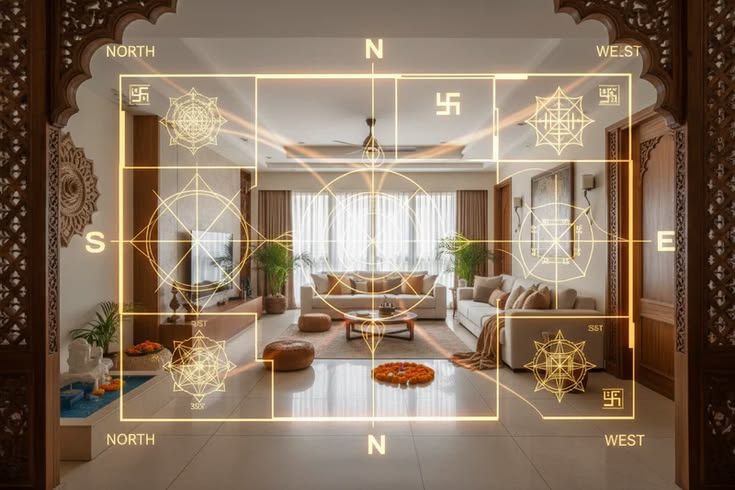
Vastu Shastra is an old Indian framework for arranging built spaces in relation to natural elements, direction, and energy flow. It’s not about symbols or rituals sitting on a shelf. In a property context, it’s closer to spatial planning with a specific logic behind it, where sunlight enters, how air moves through a home, where the heaviest structural loads sit, and how the layout affects the people living or working inside it.
In Dubai specifically, this matters more than people expect. A lot of new developments are designed around efficient use of floor space and skyline views, not necessarily around directional balance. That’s not a criticism of the architects; it’s just a different design priority. So when someone brings vastu into the picture, they’re often trying to bridge a gap between modern apartment design and older principles that were never really part of the original brief.
The best vastu consultants don’t ask you to gut a property or ignore the realities of city living. A good consultant works within what already exists and finds practical adjustments, sometimes as simple as where you place a bed or which room becomes the home office.
Why This Comes Up So Often in Dubai’s Property Market
Dubai has a genuinely international population, and a large share of residents and investors come from backgrounds where vastu or feng shui already shape how they think about space. When someone from Mumbai or Delhi is buying an apartment in Business Bay or Dubai Hills, it’s natural for them to ask the same questions they’d ask back home.
There’s also a practical layer to this. High-rise living means your unit’s orientation is fixed the moment you buy it. You can’t rotate a building. So instead of the age-old approach of choosing the plot and orienting the house from scratch, vastu for apartments in Dubai has to work backward, assessing what you’ve got and adjusting from there.
This is where a lot of confusion creeps in, because people assume vastu means “north-facing is good, south-facing is bad” as a blanket rule. It’s more layered than that. Direction interacts with room function, entrance placement, and even the position of water and fire elements inside the home.
A Quick Example
Say you’re looking at a two-bedroom apartment in JVC. The main door faces southwest, which some quick online searches will tell you is unfavourable. But the kitchen sits in the southeast corner, which actually aligns well with traditional guidance for that zone, and the master bedroom is in the southwest, which is considered stable and grounding.
Taken as a whole, that apartment might actually work fine with a few tweaks, maybe just relocating a mirror or shifting furniture arrangement, rather than being written off because of one factor. This is exactly why relying on a single rule from a blog post isn’t the same as getting an actual assessment done.
Common Mistakes People Make
One of the most frequent issues is treating vastu as a checklist to apply after the purchase is already final. By that point, options are limited to interior adjustments, since you can’t move a bathroom that’s built into concrete. Getting a consultation before signing gives you far more flexibility, including the ability to walk away from a layout that genuinely can’t be corrected.
Another common mistake is relying entirely on generic online guides that don’t account for the specific building type. A townhouse in Arabian Ranches and a high-rise unit in Downtown behave very differently in terms of energy flow, even if both are “vastu compliant” on paper. Height, surrounding structures, and even the position of the sun relative to nearby towers all play a role.
There’s also a tendency to overcorrect. People sometimes hear about one flaw and try to fix everything at once, moving furniture constantly, adding excessive remedies, second-guessing every room. Vastu works best as a considered, one-time assessment with clear priorities, not a constant source of anxiety.
Finally, some buyers assume Vastu and religious belief are the same thing. They’re not. Vastu is a spatial design tradition, and its principles are used across households regardless of faith. Treating it purely as a spiritual matter sometimes causes people to dismiss it too quickly, without looking at the practical logic underneath.
How a Proper Assessment Usually Works
A real vastu specialist for home or commercial property typically starts with the floor plan, then walks the actual space if possible. They’ll look at entrance direction, the placement of the kitchen, bedrooms, and bathrooms, and how natural light and airflow move through the unit. For larger properties or land purchases, they’ll also factor in plot shape and the slope of the land, where relevant.
At Vastu in Dubaii, this process is approached the same way you’d approach any technical consultation, gathering the details first, assessing what’s fixed versus what can be changed, and then giving realistic recommendations rather than a long list of demands. Some properties need very little intervention. Others need a genuinely honest conversation about whether they’re the right fit at all.
This is also where the difference between a general vastu consultant and someone experienced specifically with Dubai real estate becomes clear. Local building codes, typical floor plans used by major developers, and the realities of apartment living here are different from a freestanding house in India or elsewhere. Someone who understands both the traditional principles and Dubai’s property landscape can give guidance that’s actually usable, not just theoretically correct.

Practical Tips If You’re Property Hunting
Before you view a property, ask the agent for the floor plan and note the compass direction of the main entrance if you can. Many listing portals now include this, or you can check it on-site with a basic compass app.
If you’re already attached to a specific property, don’t assume every flaw is a dealbreaker. Most issues in Dubai apartments are correctable through interior layout, furniture placement, colour choices, or minor non-structural changes. Structural issues, like a toilet directly above a kitchen or a staircase in the center of the home, are harder to fix and worth flagging early.
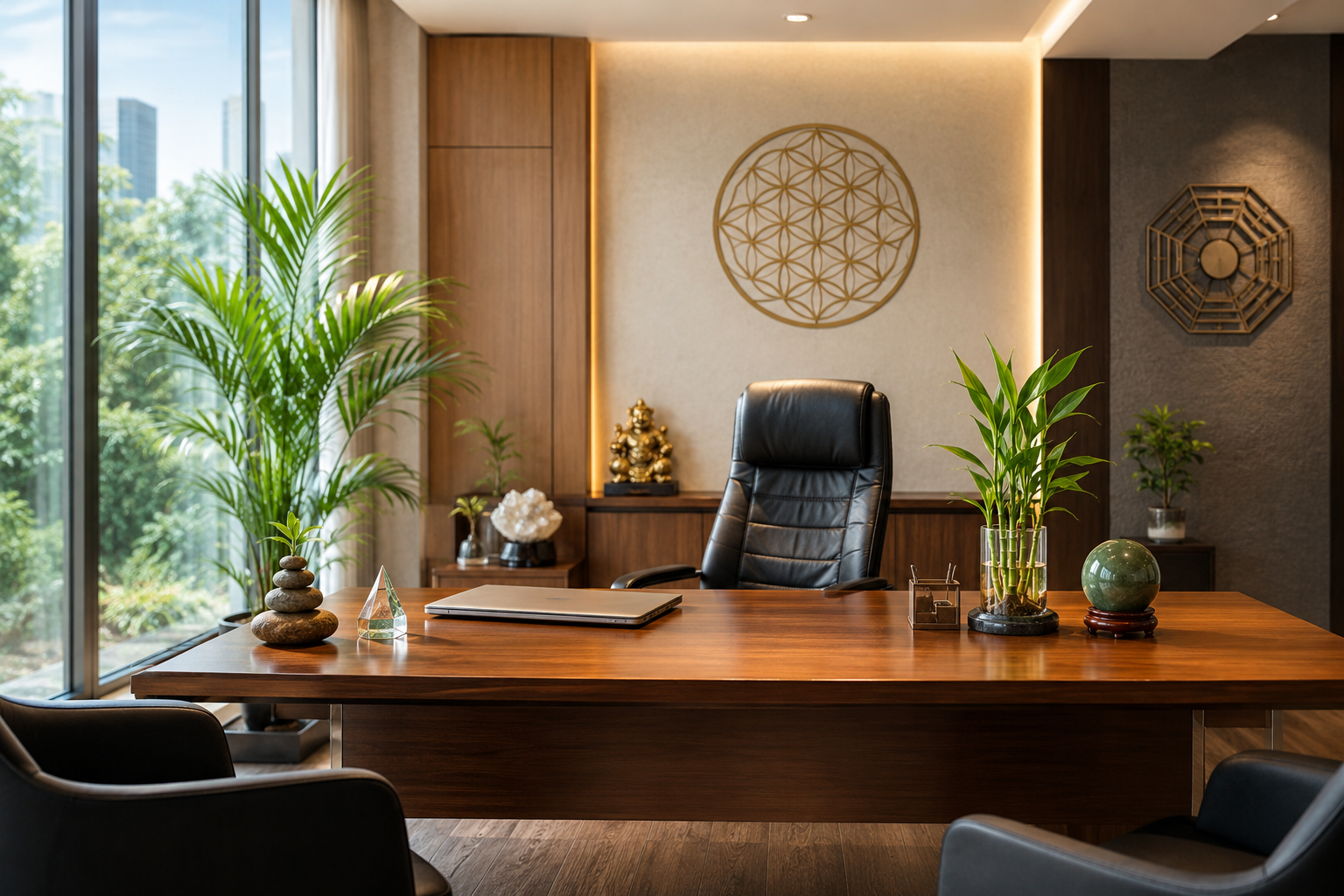
For commercial spaces, pay attention to where the cash counter or main desk sits relative to the entrance, and where the owner’s or manager’s seating is placed. These details tend to matter more in vastu for real estate used commercially than most people initially think.
If you’re building from scratch, whether it’s a villa plot or a customized floor plan, involve a vastu consultant during the design stage, not after construction starts. This is the single biggest factor in how much flexibility you’ll actually have.
FAQs
Is vastu relevant for apartments, or only for independent houses?
It applies to apartments too, though the approach shifts. Since you can’t change a building’s orientation, the focus moves to interior layout, furniture placement, and specific corrections within the unit itself, rather than the structure as a whole.
Can a vastu consultant help before I even sign the sale agreement?
Yes, and this is actually the ideal time. A pre-purchase assessment can flag structural issues, like fixed bathroom locations or awkward entrance placement, that are difficult or impossible to change after the property is built.
Does a north-facing or east-facing property automatically mean it’s good vastu?
Not necessarily. Direction is one factor among several, including room placement, entrance position, and how the space is actually used. A north-facing apartment with a poorly placed kitchen can still have issues, while a south-facing one might work well depending on internal layout.
Is vastu only relevant to certain religions or backgrounds?
No. Vastu Shastra is a spatial design tradition rather than a religious practice, and it’s used by people from a wide range of backgrounds, particularly in a diverse market like Dubai where many nationalities are buying and renting property.
What can be done if a property has a major vastu flaw that can’t be structurally changed?
In most cases, remedies exist, adjusting furniture placement, using specific colours, relocating certain activities to different rooms, or introducing elements that balance the space. A consultant will usually be upfront about what’s fixable and what genuinely isn’t.