Overview
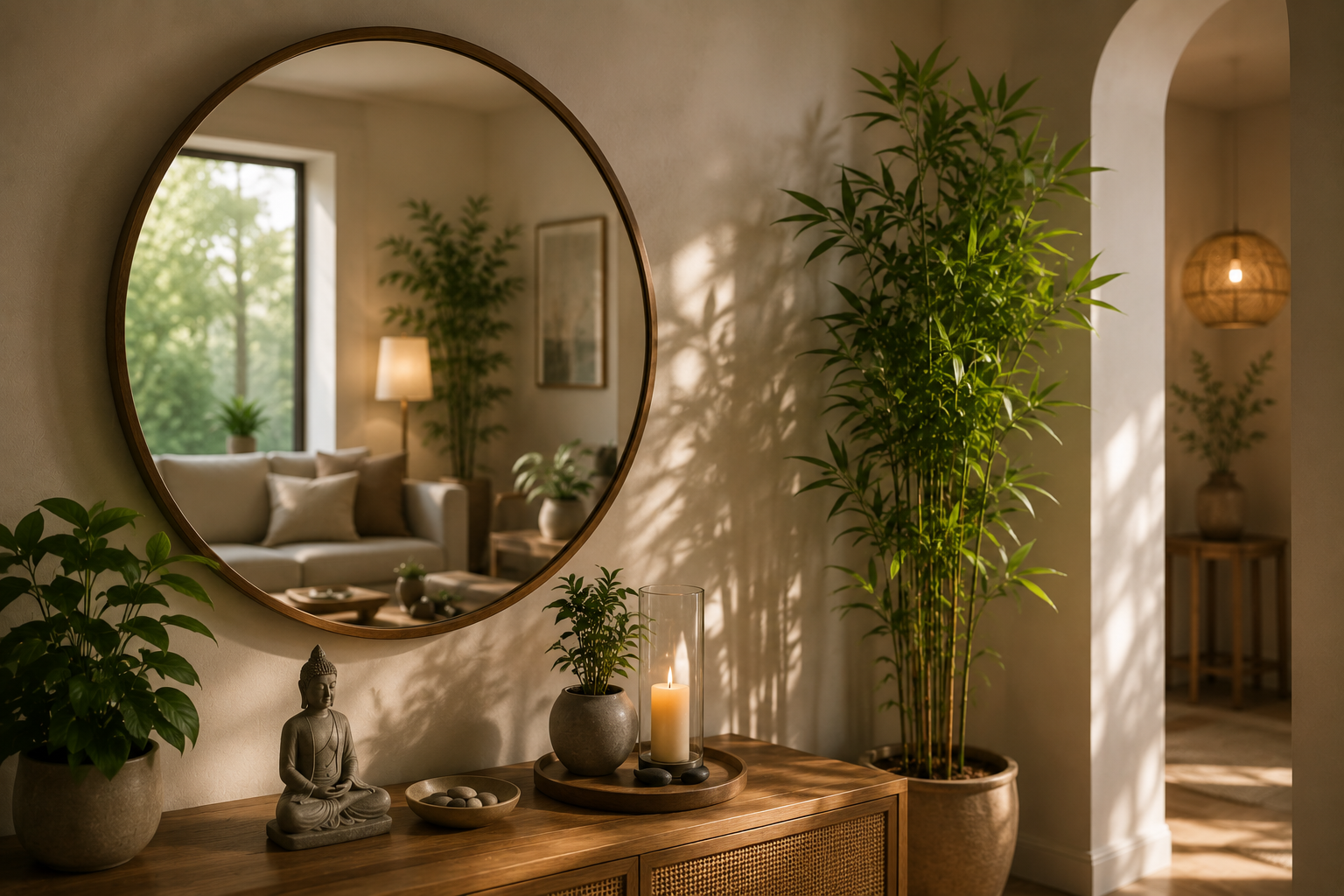
Mirrors are more than decorative elements in Feng Shui they influence how energy flows throughout your home or workspace. When placed correctly, they can enhance light, create a sense of openness, and attract positive energy. However, incorrect mirror placement may disrupt balance, affect sleep, relationships, or overall well-being. In this guide, you’ll discover the essential Feng Shui mirror placement rules, practical do’s and don’ts, and expert tips to help you use mirrors wisely for a more harmonious and positive living environment.
Why Mirrors Are Important in Feng Shui
Called the aspirin of Feng Shui, mirrors are one of the most popular (and powerful!) feng shui cures. The right placement of mirrors can bring beneficial energy to specific areas of your home or office.
Just like a mirror reflecting a stack of bills can bring negative energy, a mirror facing your desk will work against you, effectively doubling your workload. Most experts will warn you to be careful with what your mirror reflects, whether inside or outside the home.
One place where feng shui experts warn against hanging a mirror is behind a sofa or a bed, where you can lose the sense of security you feel by having a solid piece of furniture set against a wall.
How Mirror Placement Affects Your Bedroom Energy
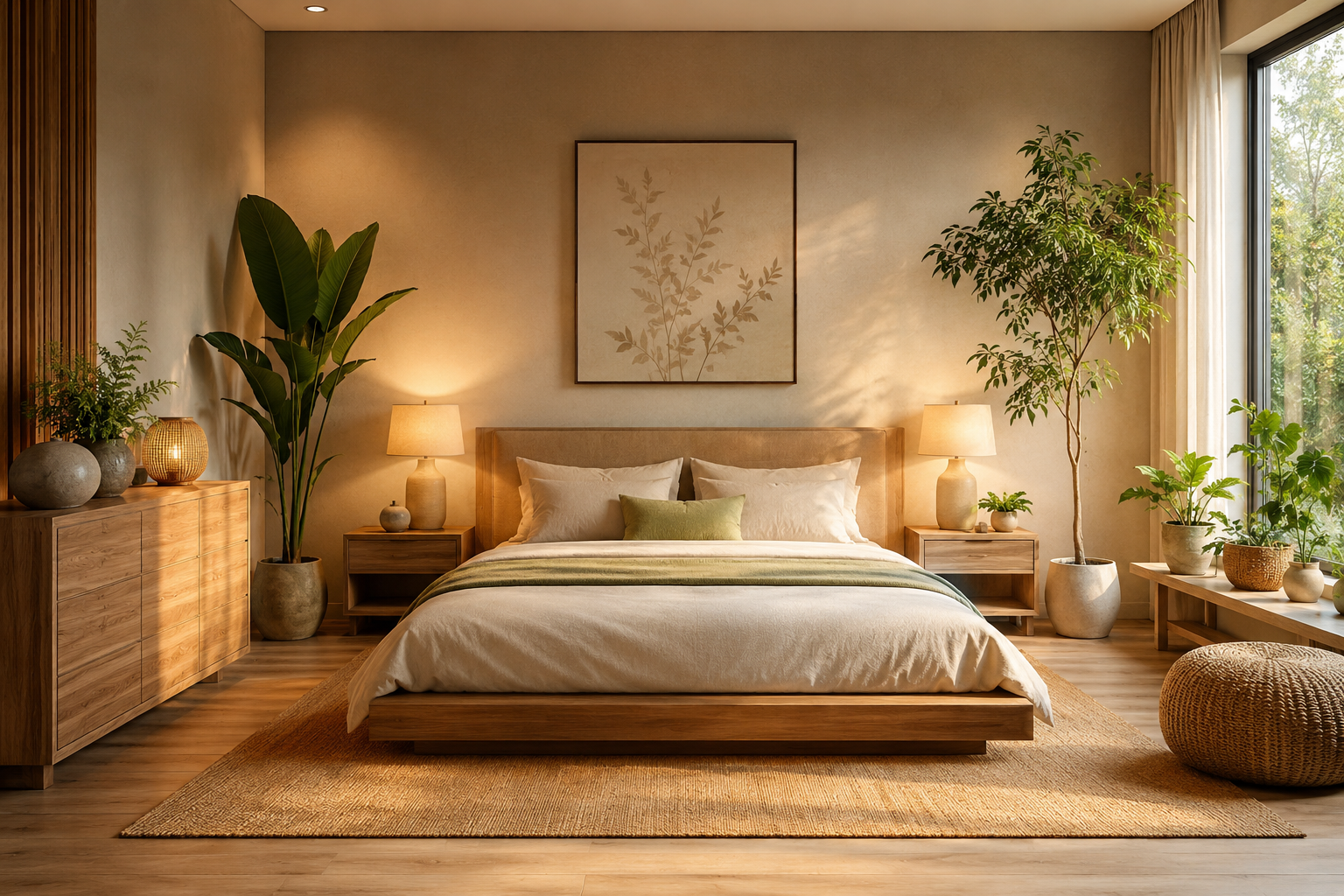
Remove any mirrors, which increase energy flow, to sleep better.
Place your bed in a power position; avoid having your headboard under a window or having your feet facing the door.
Add a few shades of red to spice up your sexual life (which, as we know, reduces stress), but keep other colors neutral as to not overstimulate you.
Reduce your clutter to a minimum, as it can cause sleep disturbances and depression.
Keep anything related to work and all electronics out of your bedroom to improve your sleep quality.
Don’t store anything under your bed, and ground your space with a rug to avoid disrupting your sleep patterns.
Understanding Mirrors as Powerful Feng Shui Activators
Few feng shui activators and cures hold as much interest as the common mirror. Mirrors are a terrific decorating resource and have the potential to inspire more prosperity, even double beautiful views, and invite the accompanying chi that goes with them.
Yet, using mirrors in feng shui is often misunderstood. How does one use mirrors effectively? Are there rules for using mirrors in feng shui? If you have had questions about using mirrors correctly, the following should help you understand when, where, and where not to use them.
Mirror Do’s in Feng Shui
Reflect Beautiful Views
DO reflect beautiful views. If your living room or dining room has a beautiful view of trees, blue skies, a garden, or anything especially beautiful, a mirror is the perfect accessory. By positioning opposite the view, you can double the beauty.
Reflect Dining and Living Areas
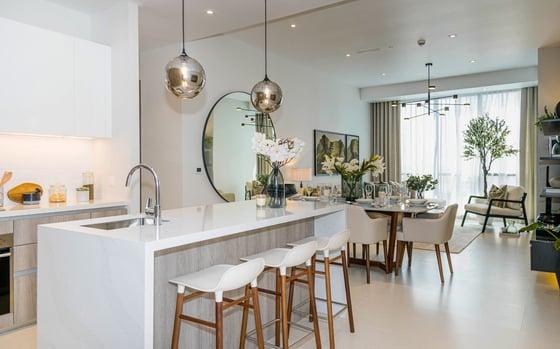
DO reflect dining and living areas. Dining rooms are the perfect location for mirrors. Because the dining represents a family’s wealth, this, in effect, magnifies this energy. Living rooms where families hold parties and gatherings are also good locations to hang a mirror and can double the number of people in the room for a more festive chi!
Use Mirrors to Hide Problem Areas
DO use mirrors to hide problems. Although not often thought of as a disguise, mirrors can make problem areas, like square pillars, “disappear.” Many homes have pillars, such as in basements, or in offices that stand in the middle of the room. By mirroring all four sides, the pillar essentially disappears.
Use Mirrors to Double Wealth and Prosperity
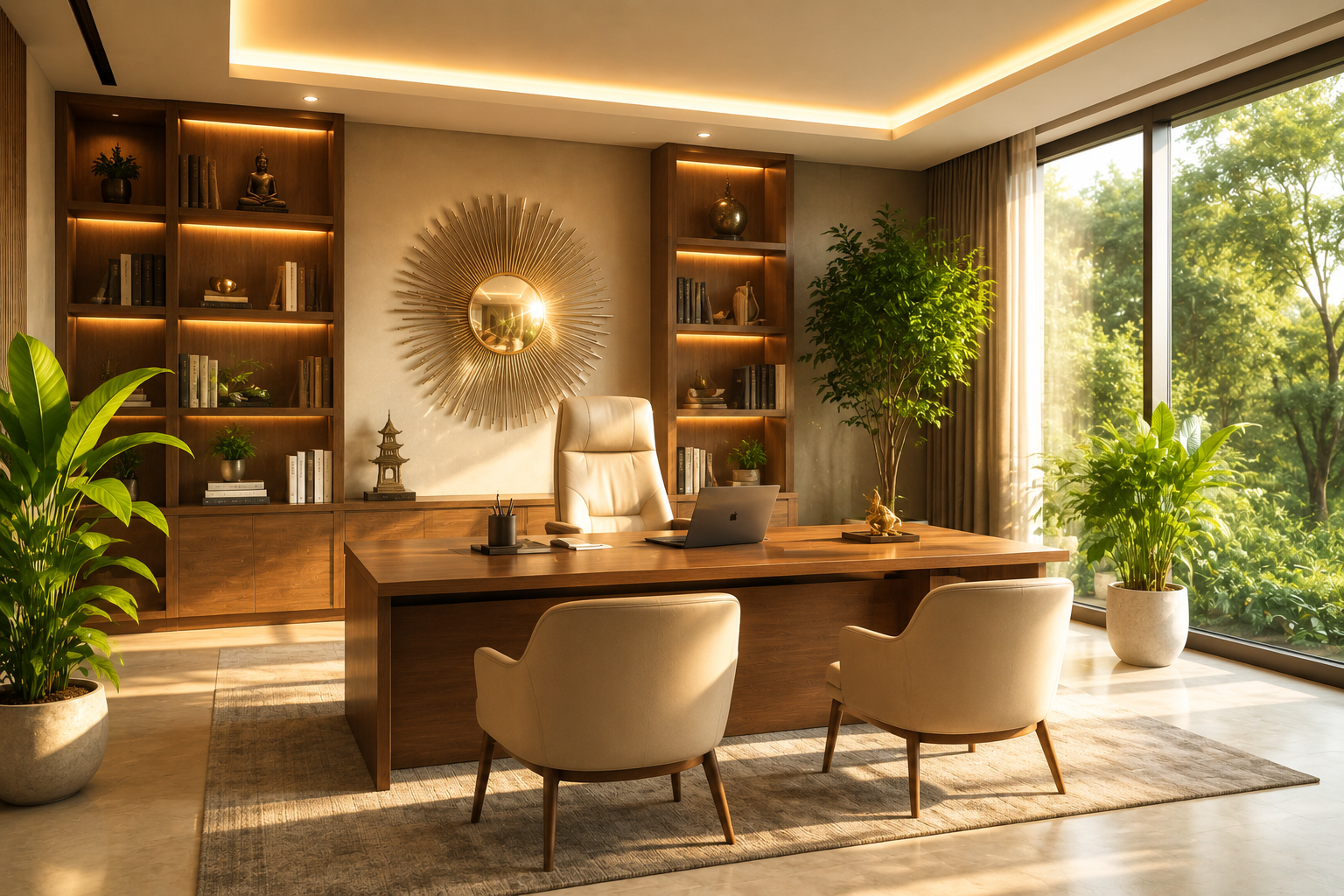
DO use mirrors to double your cash. Placing a mirror to reflect a cash register, your jewelry, or close to the front door of a shop will pull more money chi, customers, and prosperity to you.
Place Mirrors to Open Up Small Spaces
DO place mirrors where they can open up space. If you have a really small room or a long hallway, this is the perfect spot to hang a mirror. Lean a mirror against a wall to visually open up the room. Place a mirror along the wall of a hallway to slow down chi and add some interest.
Avoid bedroom mirrors, which are usually bad feng shui.
Mirror Don’ts in Feng Shui
Avoid Mirrors Opposite the Front Door
DON’T place a mirror opposite a front door. This pushes the energy right back out the door. Time and time again, I see businesses that go out of business, and they have a mirror opposite the front door. If you want a mirror to open up your foyer, adding a mirror is a great idea. Just don’t put it opposite the front door.
Don’t Reflect Negative Views
DON’T reflect negative views. Make sure mirrors aren’t placed where they’ll reflect a toilet door, a fireplace (above a fireplace is fine), a stovetop, or messy areas. When you can see an ugly view in a mirror, this magnifies the energy. This is especially true of fire. A little fire keeps you warm; a lot of fire can quickly become excessive energy.
Avoid Mirrors That Create Cutting Energy
DON’T place a mirror where it will harm or send cutting energy. This is true of placing a mirror at the end of the hallway, which symbolically says “stay away” and draws negative energy. A mirror placed at the bottom of the stairs will cut off the feet or head; avoid placing it here.
Don’t Place Mirrors in the Bedroom
DON’T place a mirror in the bedroom where it can be over-stimulating. A mirror in the bedroom can create insomnia, especially if it reflects the bed. If there is a problem in the marriage, a mirror can also bring in unwanted interference in the relationship. Better to be safe (and well-rested) than sorry.
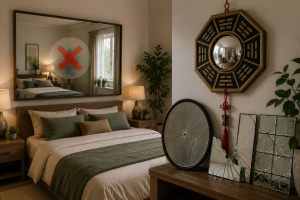
Never Use Broken or Pakua Mirrors
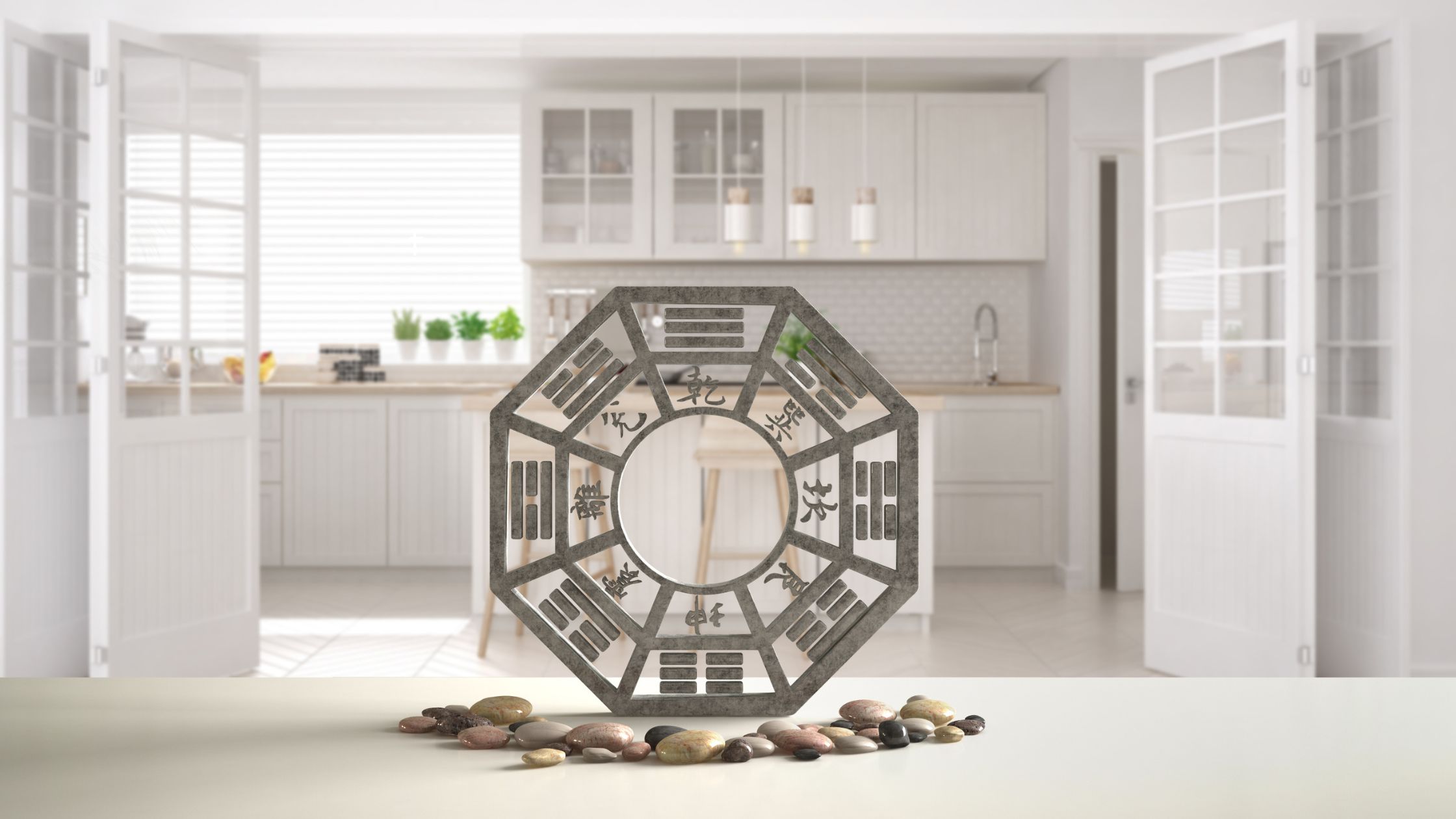
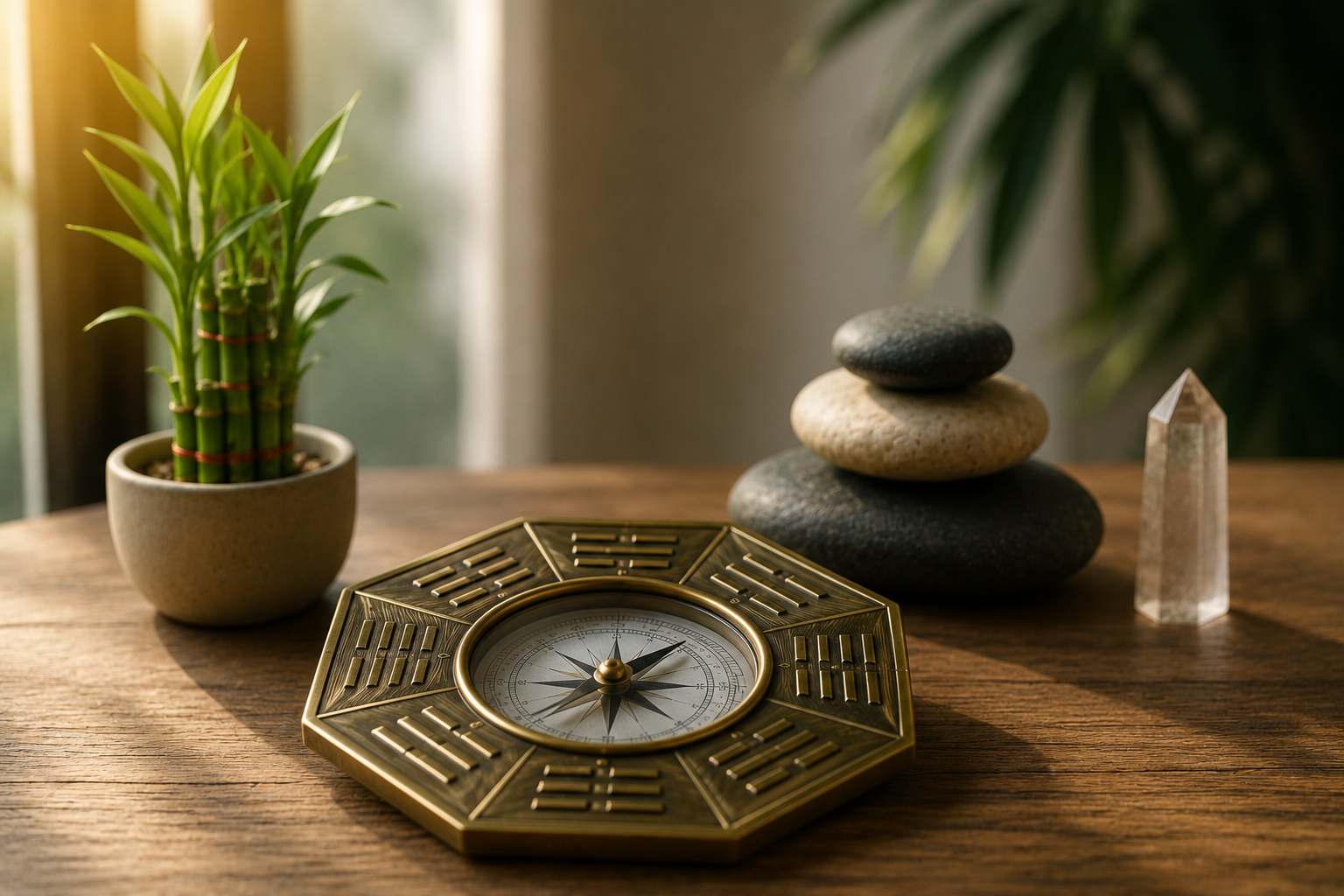
DON’T use broken or pakua mirrors. Pakua mirrors are often hung with little regard, yet they send out the full force of chi toward that which they reflect. It amounts to sending a really nasty look toward your neighbor. Is it any wonder these cause problems with relationships with others? These mirrors contain trigrams that are negative and are harmful to whoever they point toward and to the house where they hang. Avoid them. Cracked mirrors are also very negative energy as are small mirror tiles or anything that distorts or breaks up an image. Remove them.
FAQs
1. Where should mirrors be placed according to Feng Shui?
Mirrors should be placed where they reflect natural light, beautiful outdoor views, or positive spaces like living and dining areas. Avoid placing them where they reflect clutter, sharp objects, or negative spaces.
2. Is it bad Feng Shui to have a mirror facing the bed?
Yes. In Feng Shui, a mirror reflecting the bed is believed to create restless energy, disturb sleep, and may affect harmony in relationships. It is generally recommended to avoid this placement.
3. Can mirrors be placed opposite the main entrance?
No. Feng Shui advises against placing a mirror directly opposite the main entrance because it may reflect positive energy (Chi) back outside before it can circulate through the home.
4. Are broken or cracked mirrors bad in Feng Shui?
Yes. Broken, cracked, or distorted mirrors are considered inauspicious in Feng Shui because they symbolize fragmented energy. They should be repaired or removed as soon as possible.
5. How can mirrors improve positive energy in a home?
When positioned correctly, mirrors can make small spaces feel larger, enhance natural light, reflect beautiful scenery, and symbolically attract abundance and positive energy into the home.