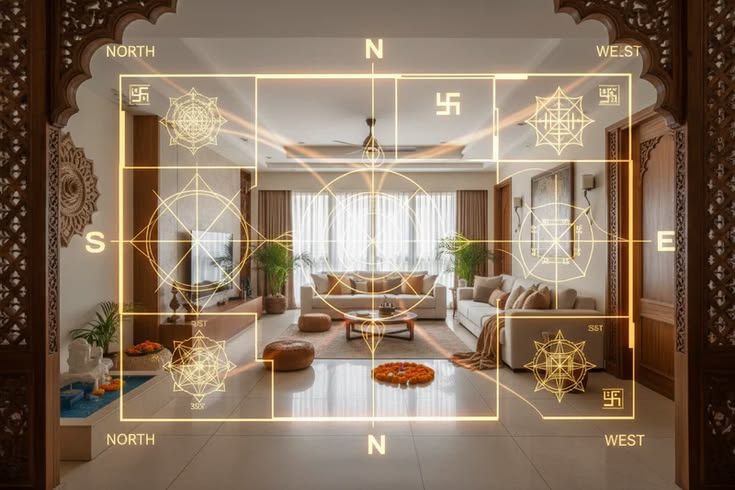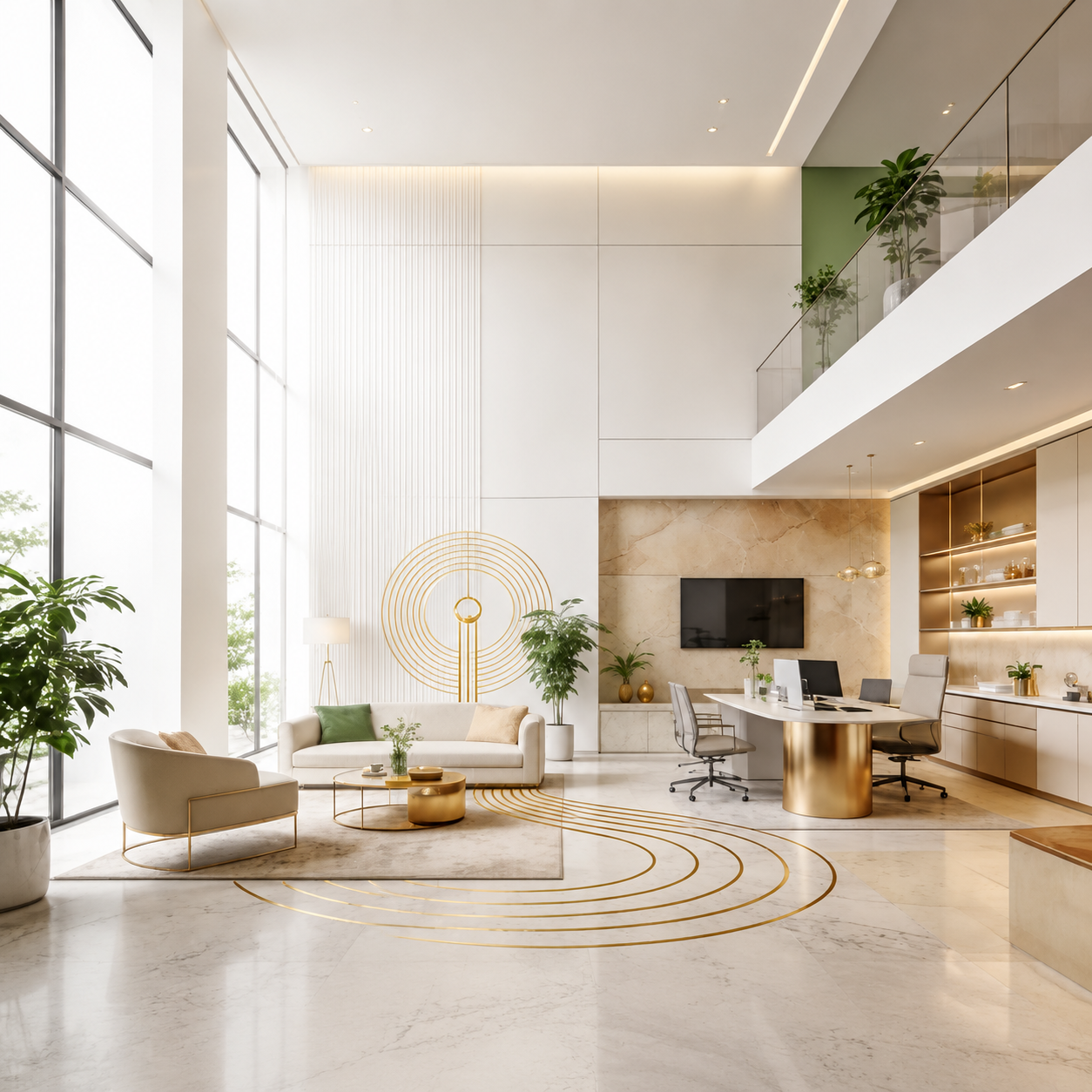

In my previous article, “The Changing Role of the Real Estate Professional,” I spoke about how the role of a real estate professional is evolving.
Today, buyers have access to more information than ever before. They can compare properties, prices, floor plans, amenities, locations, and reviews before they even visit a property.
But there is another part of the buying decision that is often less visible.
How does the property make the buyer feel?
Most buyers believe they purchase homes logically.
In reality, research in consumer behaviour and environmental psychology suggests that emotion plays a significant role in decision-making, particularly when choosing a home.
A property is not simply a collection of rooms, square footage, finishes and amenities. It is a space where people imagine their everyday lives taking place.
And that emotional response can begin before the buyer has consciously analysed the property.

The First Impression Happens Before the Decision
When buyers enter a property, they often form an initial impression within moments.
Before they start calculating the price per square foot or comparing the property with another option, they may already be responding to the environment around them.
They may notice:
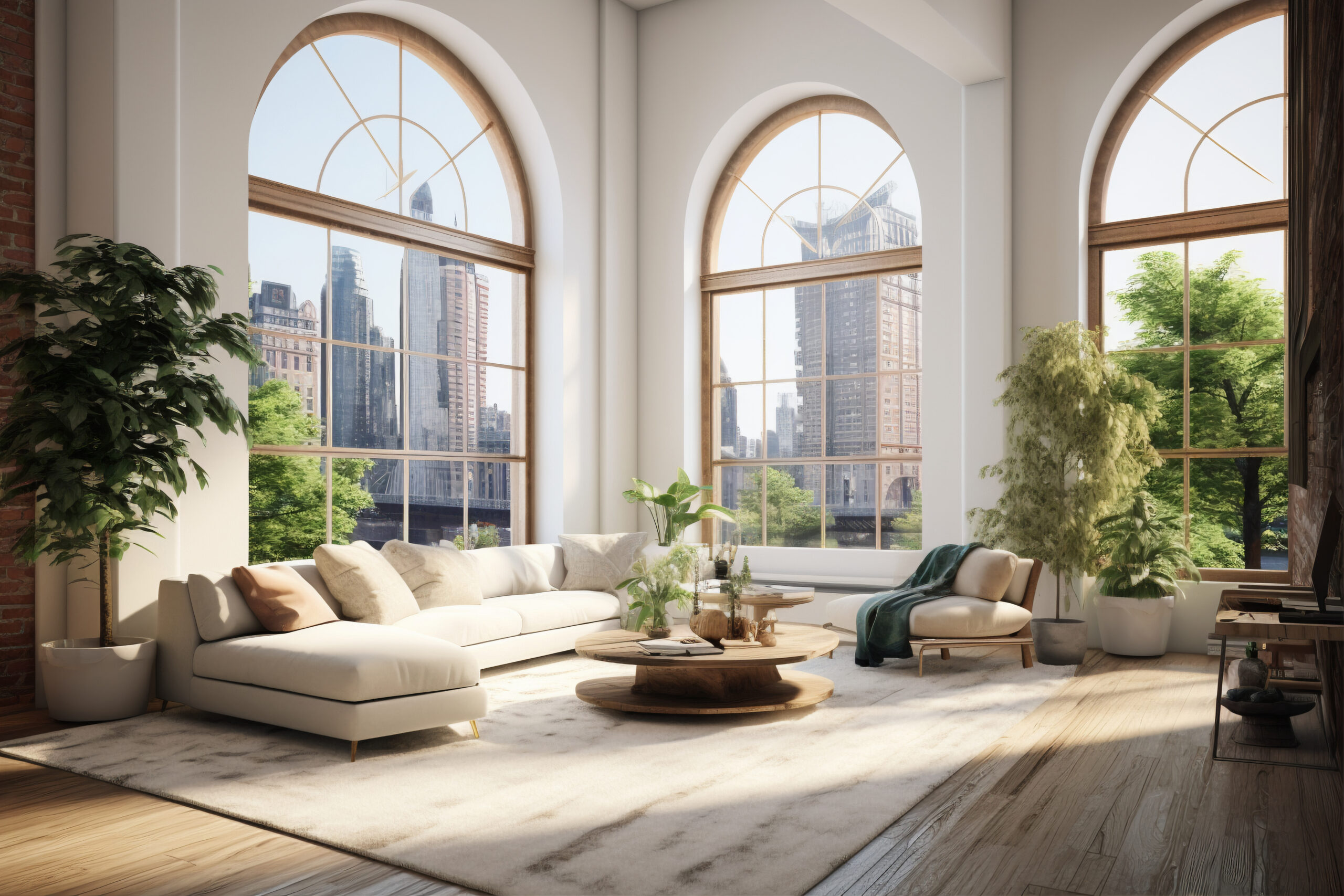
- Natural light
- The openness of the entrance
- The flow between spaces
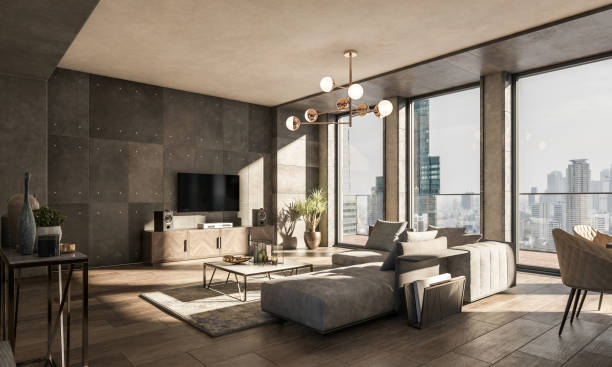
- Views from windows
- Ceiling heights
- Noise levels
- Privacy
- Their overall sense of comfort
These observations may happen almost automatically.
A buyer may walk into one home and immediately feel comfortable, while another property with similar specifications may feel less inviting.
The interesting part is that buyers may not always be able to explain exactly why.
What Buyers Experience Before They Analyse
A home is experienced through more than its physical specifications.
Light can influence how open or welcoming a space feels. The entrance can influence the first impression of the property. The movement between rooms can affect whether the layout feels natural or restricted.
Similarly, views, noise, privacy, and ceiling heights can contribute to the overall experience of a space.
None of these factors necessarily appear as a simple number on a property listing.
Yet they can become part of the buyer’s perception of value.
This is why the buying process is not always as purely rational as we assume.
Why Two Similar Properties Can Feel Completely Different
This explains why two apparently similar properties can generate very different responses.
They may have:
- Similar sizes
- Similar prices
- Similar amenities
- Similar locations
- Similar specifications
And yet one may create an immediate sense of comfort while the other does not.
The difference may not always be something the buyer can immediately articulate.
One property may feel brighter. Another may feel more private. One may have a more natural movement between spaces. Another may feel visually or physically restricted.
These subtle experiences can influence how a buyer perceives the property and whether they can imagine themselves living there.
The Role of the Real Estate Professional Is Changing
This is where I believe the role of the real estate professional becomes more meaningful.
As a professional, your role is not to decide whether a client’s feelings are right or wrong.
Your role is to understand what characteristics of the property may be contributing to those perceptions and to discuss them in a structured way.
Instead of simply presenting the specifications of a property, a professional can begin to observe the relationship between the space and the person experiencing it.
Why does the buyer feel comfortable here?
Why does another room feel less inviting?
What is creating a sense of openness?
Where does the property feel private or exposed?
What might be influencing the buyer’s first impression?
These questions can help move the conversation beyond simply selling square footage.
From Property Features to Property Experience
This does not mean that logic becomes unimportant.
Price, location, investment potential, construction quality, developer reputation and functionality remain important parts of any property decision.
But these logical factors exist alongside the buyer’s experience of the space.
A successful real estate professional therefore needs to understand both sides:
What does the property offer?
And:
How does the buyer experience what the property offers?
That distinction can become increasingly important in a market where buyers already have access to most of the basic information before meeting an agent.
What Happens in Those First Few Moments?
If our response to a property begins before logic takes over, an interesting question follows:
What is actually happening in those first few moments?
Why does one space immediately feel welcoming while another does not?
Why can a buyer feel drawn towards one property even when another appears equally attractive on paper?
And what role does the environment itself play in shaping that response?
These are questions that take us beyond traditional real estate conversations and into the psychology of space.
Stay tuned — in my next article, I’ll explore this through The Psychology of Space.
FAQs
- Why do buyers make emotional decisions when choosing a property?
Buyers often respond to factors such as natural light, privacy, noise, layout, views and overall comfort before they consciously evaluate the property’s price and specifications. These initial perceptions can influence how they feel about a property. - What factors influence a buyer’s first impression of a property?
Natural light, the openness of the entrance, movement between spaces, views, ceiling height, noise levels, privacy and overall comfort can all contribute to a buyer’s first impression. - Why can two similar properties create different responses from buyers?
Even when two properties have similar sizes, prices and amenities, differences in layout, light, privacy, views, noise and spatial flow can create different experiences and emotional responses. - What is the role of a real estate professional in understanding buyer behaviour?
A real estate professional can look beyond basic property specifications and understand which characteristics of a space may be influencing the buyer’s perception, helping create a more structured and meaningful property discussion. - How does the psychology of space relate to real estate?
The psychology of space explores how environmental characteristics can influence people’s perceptions, experiences and behaviour. In real estate, this can help professionals understand why certain spaces feel more comfortable, inviting or suitable to buyers.