When people shop for office space in Dubai, the checklist is usually the same: location, rent, parking, the view from the 30th floor. All of it matters. But there’s a question that rarely makes the list, and it’s one I hear more and more from business owners once they’ve been in a space for a few months: why does this place just not feel right?
Maybe the team is restless. Maybe client meetings keep running into small hiccups. Maybe you can’t quite explain it, but you dread walking in on Mondays. That’s usually the moment people start asking about Vastu.
Why Dubai’s business owners are paying attention

Dubai is one of the most competitive business hubs in the world. Entrepreneurs, investors and developers from every part of the globe set up here, and a good number of them come from cultures where Vastu Shastra is part of how a building is planned, not an afterthought.
At its heart, Vastu is about how a space is laid out in relation to directions, light, airflow and movement. Strip away the jargon and it asks simple, practical things. Where do people enter? Where does the owner sit? Where does money get handled? Is the space open and orderly, or cramped and cluttered?
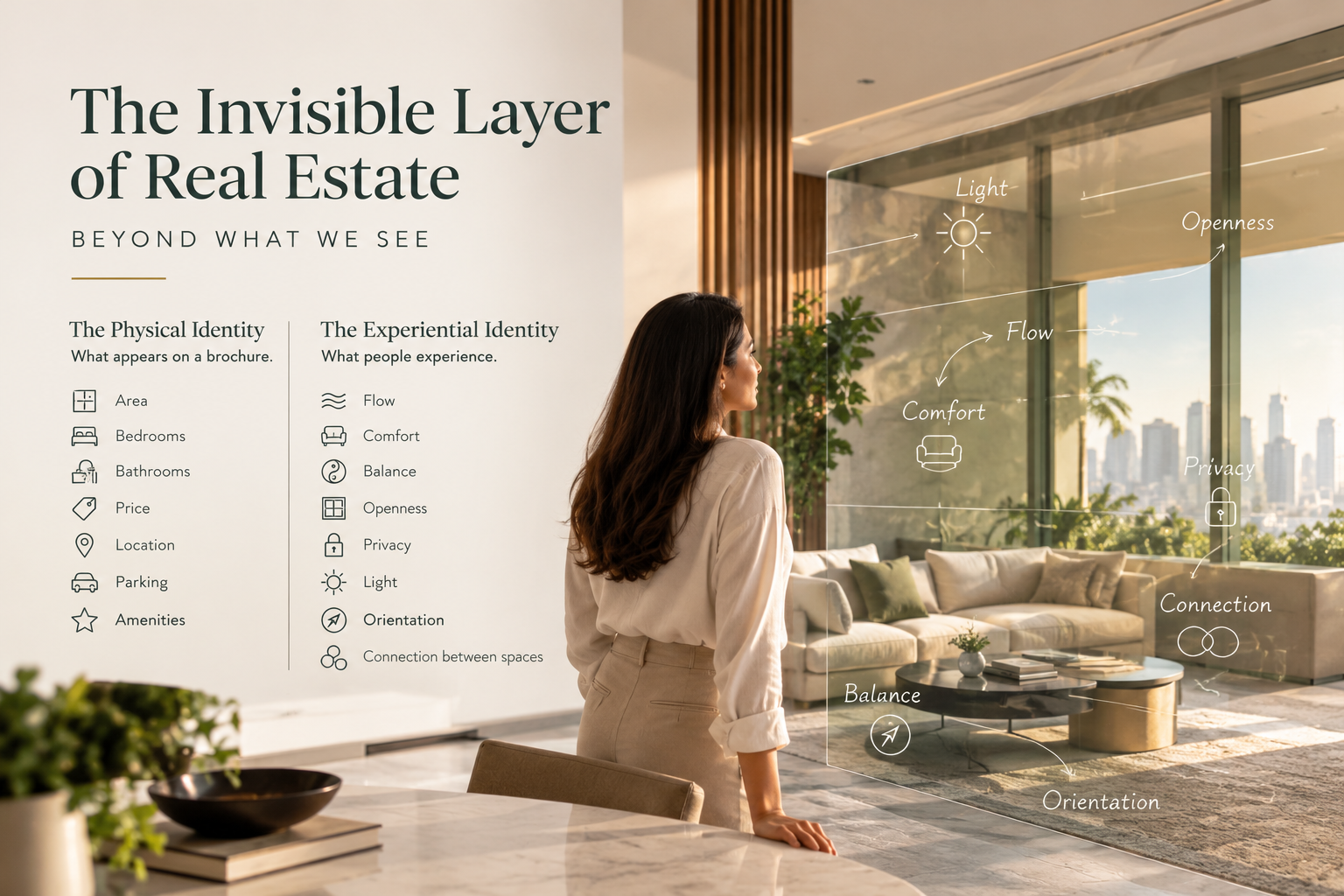
A workplace that answers those questions well tends to feel calmer and easier to work in. That’s the real appeal of vastu for commercial spaces: it nudges you to think about the building the way the people inside it experience it.
Think about Vastu before you sign the lease

The best time to look at a property through a Vastu lens is before you commit. Once you’ve paid a deposit and fitted out the space, changes get expensive.
A quick review at the selection stage can tell you a lot. Which way does the main entrance face? How does the floor plate sit within the building? Is there a sensible place for reception, the owner’s cabin, the finance desk and the pantry, or will you be forcing everything into awkward corners?
This is where a vastu consultant for office projects earns their fee. They can walk through a floor plan (or the unit itself) and tell you honestly whether it works for your business, or whether another option on your shortlist is a better fit.
What a consultant actually looks at
It’s less mysterious than people expect. In a typical office, the conversation covers things like:
- The entrance. It’s the first thing everyone, staff and clients alike, experiences. It should be clear, well lit and uncluttered.
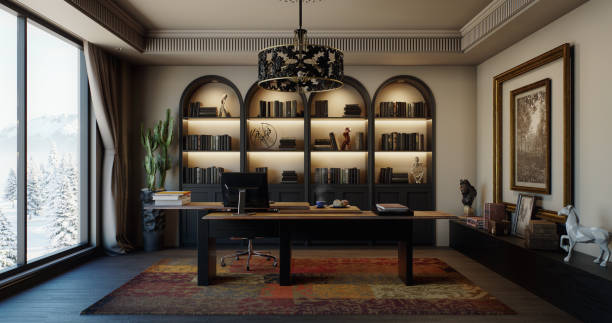
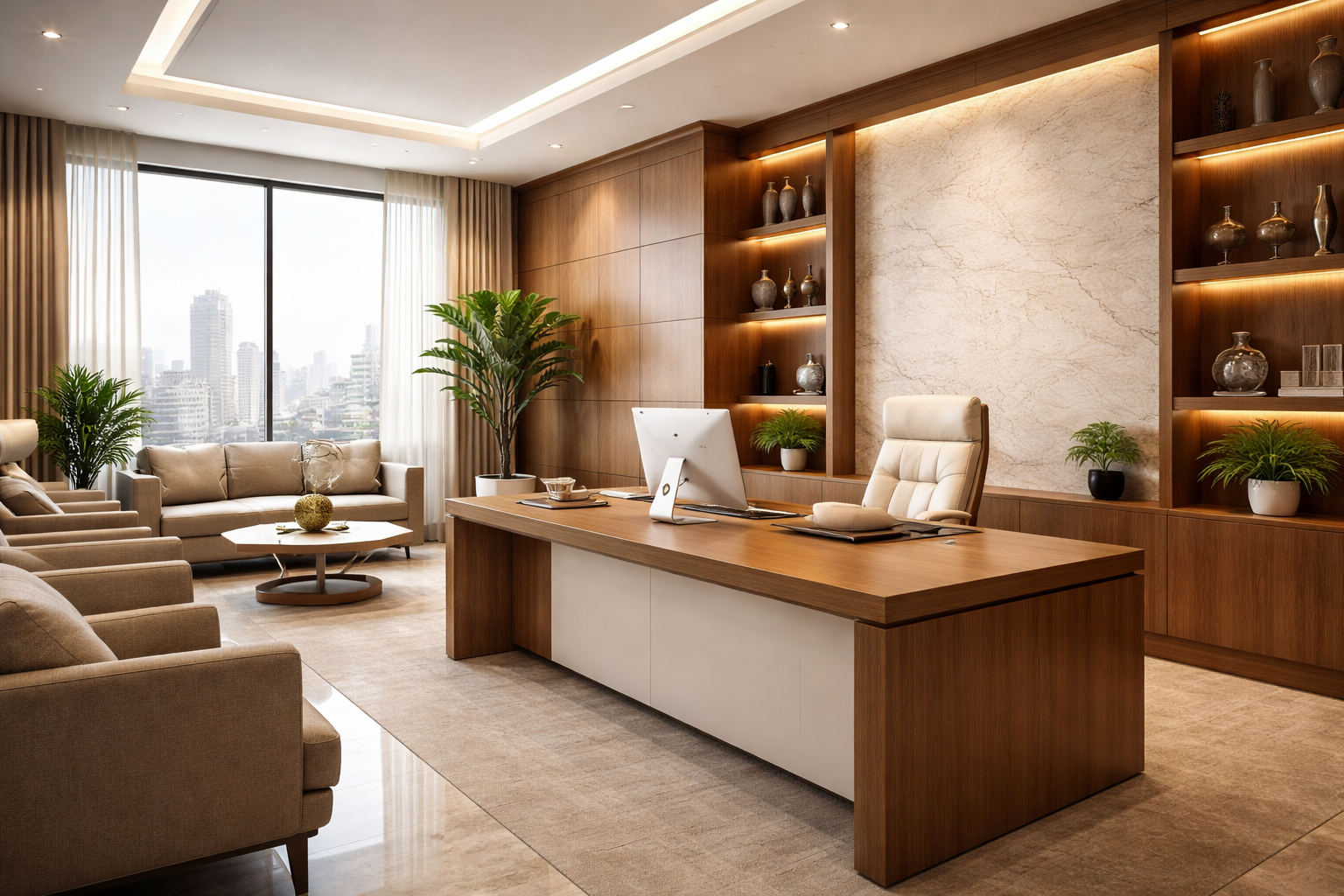
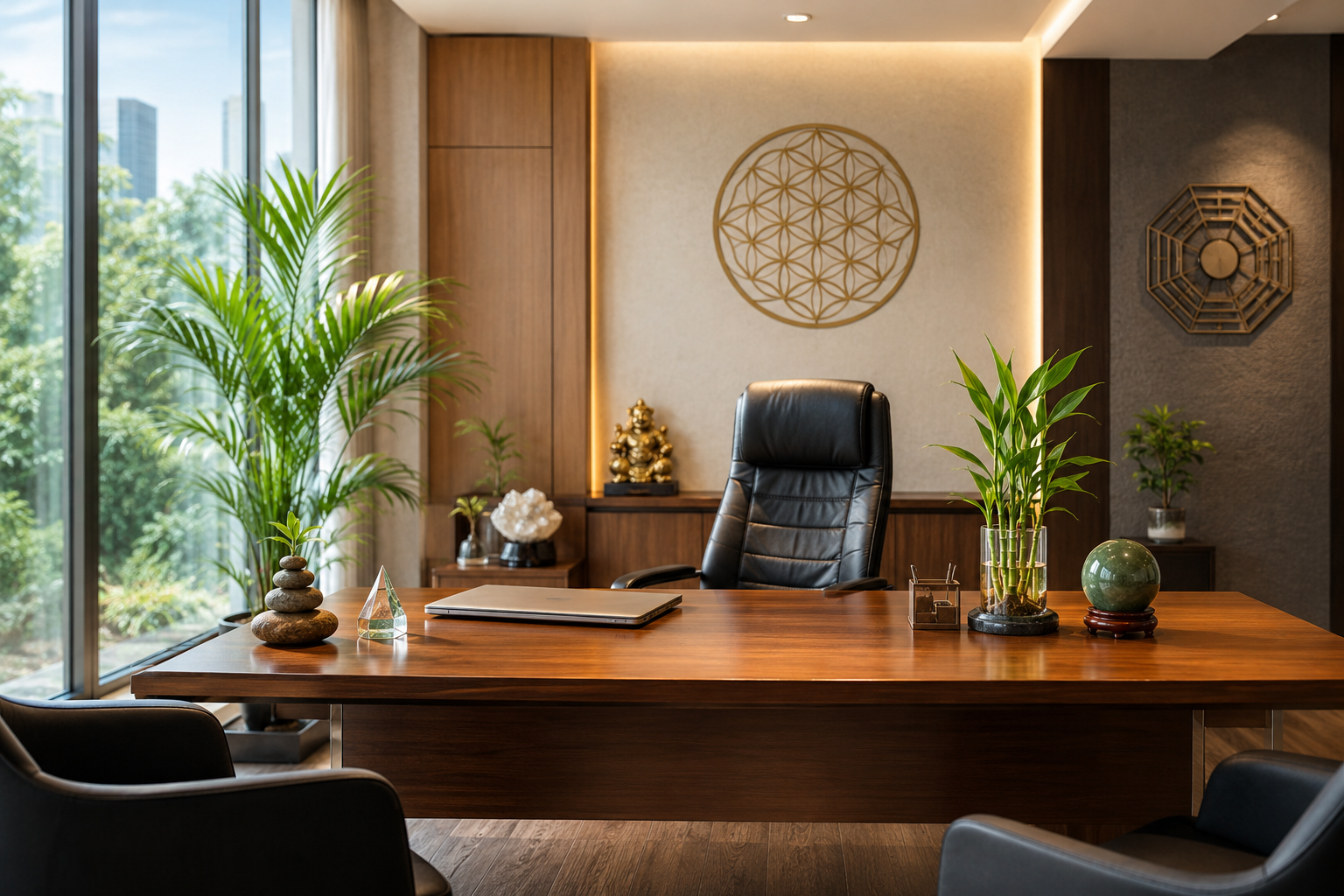
- The owner’s or MD’s seat. Traditionally placed so the person sitting there has a solid wall behind them and faces north or east. It’s also just good practice: you want to see the door and not have your back to it.
- Reception and waiting area. A welcoming first impression matters in any culture. Vastu has opinions on where it should sit, and they usually line up with common sense.
- Cash, accounts and storage. Where finances are handled and where valuables are kept is a big part of business vastu, and one of the first things owners ask about.
- Pantry and washrooms. Placement affects hygiene, smell and traffic flow, so it’s more practical than superstitious.
- Clutter and light. Stacks of old files, dark corners and blocked pathways make a space feel heavy. Vastu and basic housekeeping agree on this one.
One honest note: no two properties are the same. A ground-floor retail unit, a serviced office in a business centre and a full floor in a tower all need a different approach, which is why generic checklists from the internet only get you so far.
Retail, offices and warehouses aren’t the same
A showroom depends on footfall and first impressions. An office depends on focus, communication and how decisions get made. A warehouse depends on movement, loading and storage.
A good consultant adjusts to each. For a shop, the attention might go to the entrance, display areas and the billing counter. For an office, it could be seating arrangements, meeting room placement and where the leadership team sits. Same principles, different priorities.
“But I can’t knock down walls”
This is the concern I hear most, especially from tenants in Dubai towers where structural changes simply aren’t possible. The good news is you rarely need them.
Most recommendations are small and practical: moving a desk, shifting where files and valuables are stored, changing the position of the reception counter, adjusting lighting, or clearing a blocked corner. Where a layout can’t be changed, there are usually simple corrective measures that don’t involve renovation at all.
That’s also why it’s worth bringing someone in early. Fixing a layout on paper costs nothing. Fixing it after fit-out costs a lot.
Setting honest expectations
Here’s something worth saying plainly: Vastu is not a magic switch, and no consultant can promise you a specific revenue number. Business success still comes from your product, your people, your pricing and your persistence.
What Vastu can do is help you remove friction. A well-planned space can make your team more comfortable, your clients more at ease and your day a little smoother. Many owners tell us that even small changes made them feel more settled in their workplace, and in a demanding city like Dubai, that’s no small thing.
Where to begin
If you’re planning to buy, lease or fit out a commercial space, or you’re already in one that feels off, start with a simple conversation. Share the floor plan, tell us what your business does, and we’ll walk through what works, what doesn’t and what can be fixed easily.
At Vastu in Dubaii, we work with business owners, investors and developers to make commercial spaces work better for the people who use them, with practical advice you can actually put into action.
Ready to talk about your space? Call or WhatsApp us on +971 55 709 0178 , or write to deiptii.taurannii@outlook.com to book a consultation.